Physical Address
304 North Cardinal St.
Dorchester Center, MA 02124
Physical Address
304 North Cardinal St.
Dorchester Center, MA 02124

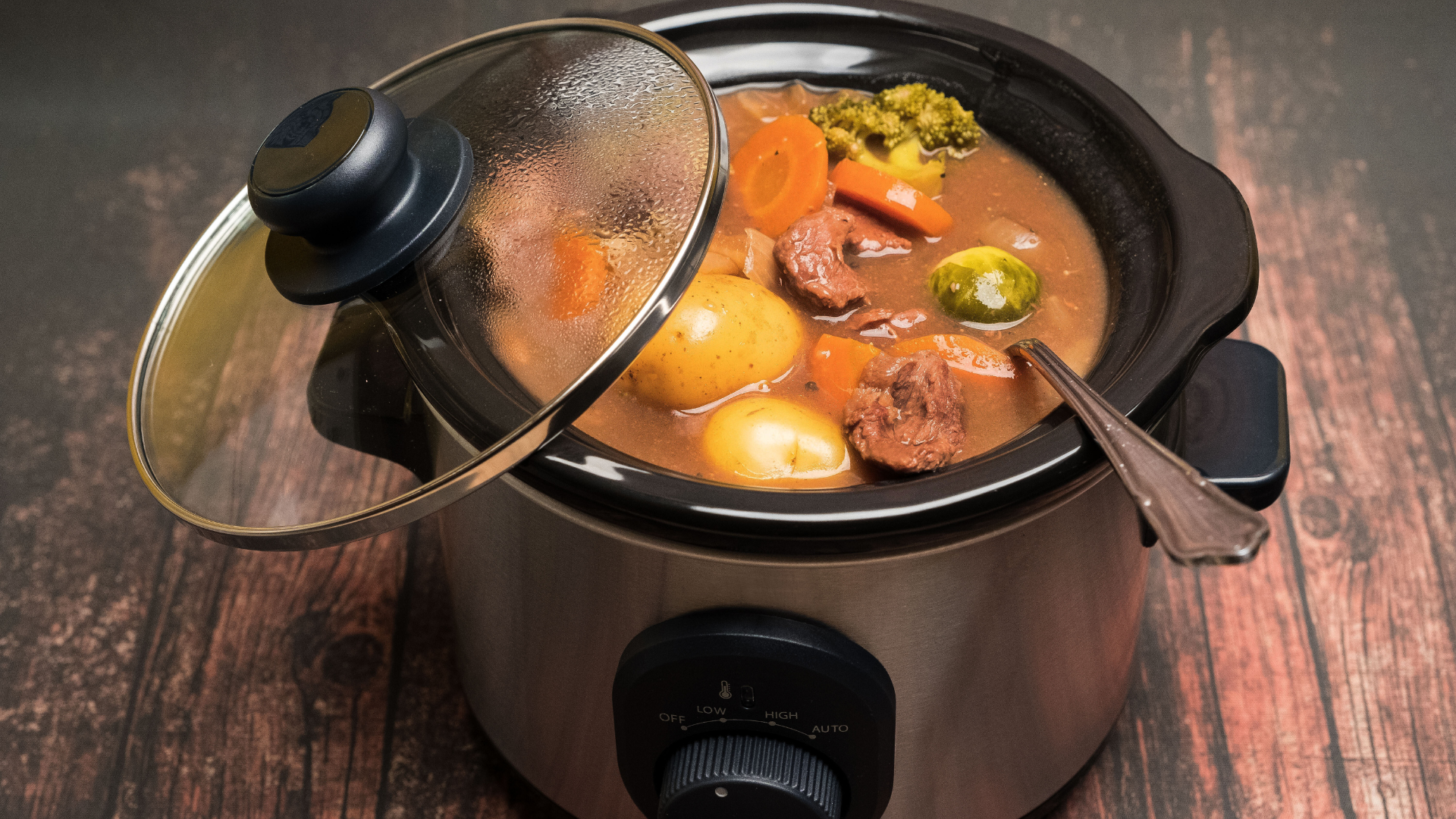
Slow cooker recipes simplify meal preparation by allowing you to combine ingredients and let them cook over several hours without constant attention. Easy slow cooker recipes require minimal ingredients and effort while delivering flavorful, hearty meals.
These recipes are ideal for busy schedules, as they save time and reduce kitchen cleanup. Whether you want soups, stews, or shredded meats, a slow cooker can handle it all with little fuss.
By using straightforward recipes designed for this method, you can enjoy delicious homemade dinners without spending hours cooking. This guide will help you find recipes that fit your lifestyle and taste preferences.
Slow cooking requires some basic preparation to get consistent results. Choosing the right tools and ingredients will simplify your process and enhance flavor. Small adjustments in timing, layering, and ingredient choice make a big difference.
Start by trimming excess fat from meats to prevent greasy dishes. Avoid lifting the lid during cooking; each peek adds 15-20 minutes to the cook time. Layer ingredients properly, placing root vegetables at the bottom where the heat is strongest.
Cut ingredients into uniform sizes to ensure even cooking. Use low or high settings based on the recipe’s time frame; most meals cook well on low for 6-8 hours or high for 3-4 hours. If a recipe calls for thickening, add cornstarch or cream at the end, not before cooking.
Select a slow cooker size that matches your typical meal volume. A 6-quart cooker suits families, while 3-quart models work for singles or couples. Oval-shaped cookers handle whole chickens or roasts better than round ones.
Digital models with programmable timers provide better control, automatically switching to ‘warm’ when done. Earthenware inserts retain moisture well but are fragile. Stainless steel inserts heat evenly and resist stains. Prioritize ease of cleaning and space in your kitchen.
Keep these pantry staples on hand: canned diced tomatoes, broth (chicken, beef, or vegetable), and dried beans or lentils. Aromatics like garlic, onions, and fresh herbs lend depth to flavors without extra effort.
Spices such as paprika, cumin, thyme, and bay leaves are versatile across many recipes. Frozen vegetables can be added late in cooking for freshness. Choose cuts of meat that benefit from slow cooking, like chuck roast, pork shoulder, or chicken thighs.
These slow cooker dinners focus on fast assembly without sacrificing flavor. Ingredients often require minimal chopping or seasoning before adding to the cooker, making them perfect for busy days.
Chicken is versatile and cooks evenly in a slow cooker. Using bone-in thighs or breasts reduces prep work, as trimming is often unnecessary. Common recipes combine chicken with vegetables like carrots, potatoes, and onions, all tossed together with broth and simple spices such as garlic powder, salt, and pepper.
Set the cooker on low for 6-8 hours or high for 3-4 hours. This method ensures tender, juicy chicken with minimal hands-on time. Adding herbs like thyme or rosemary at the start enhances flavor without extra effort.
Cuts like chuck roast or pork shoulder are ideal for slow cooking due to their fat content, which breaks down to enrich the dish. Recipes often include pre-cut vegetables and a canned broth or sauce base, limiting ingredient preparation.
For seasoning, use premade spice blends or basic salt and pepper to save time. Cooking times range from 7 to 10 hours on low. The meat becomes tender enough to shred without additional steps.
Beans, lentils, and root vegetables are staples for plant-based slow cooker meals. Pre-soaking beans reduces cooking time, but it is optional with lentils and certain vegetables.
Flavor relies on broth (vegetable stock) and seasoning like cumin, smoked paprika, or curry powder. Layer ingredients simply—greens added toward the end to maintain texture. These recipes often take 4-6 hours on low, balancing ease with a robust, nutritious meal.
Maximize convenience with methods that reduce hands-on time. Using preparation shortcuts and minimal mixing steps can help get meals ready quickly without sacrificing flavor.
Preparing slow cooker ingredients in advance allows for effortless weeknight cooking. Combine chopped vegetables, proteins, and seasonings in freezer bags. Label each bag with the recipe name and date.
When ready to cook, simply thaw the bag overnight in the refrigerator and dump the contents into the slow cooker. This technique works well for dishes like chili, stew, and shredded chicken tacos.
Batch cooking multiple meals at once can save time throughout the week. Freezing fully assembled meals ready for slow cooking means less chopping and measuring during busy evenings.
Choose recipes with few ingredients and simple assembly steps for rapid prep. For instance, place chicken breasts on the slow cooker base, add canned beans and salsa, then season. This type of recipe requires minimal chopping and no browning.
Using pre-cut vegetables or store-bought sauces can reduce prep time drastically. Keep staples like frozen mixed vegetables, bottled sauces, and precooked grains on hand to speed the process.
Meals that combine all ingredients in one step and require basic seasoning are ideal for times when under 10 minutes is available for prep. Examples include shredded barbecue chicken or vegetable curry.
Slow cookers simplify the preparation of hearty, satisfying meals. Recipes that usually require hours of active cooking become effortless, freeing time while still delivering rich, comforting flavors.
Slow cookers excel at developing deep, layered flavors in soups and stews. Ingredients like beef chuck, root vegetables, and aromatic herbs combine gently over hours, producing tender meat and rich broth without constant monitoring.
Popular choices include beef stew, chicken noodle soup, and chili. These recipes benefit from slow simmering to break down tougher cuts of meat and meld spices. Simply add all ingredients in the morning and return to a warm kitchen with a ready-made meal.
Using frozen vegetables can save prep time and still yield excellent texture. Adjust salt near the end to prevent oversalting after reduction.
Casseroles are a natural fit for slow cookers because they meld multiple ingredients in one dish. Common staples like ground beef, pasta, cheese, and vegetables cook uniformly and retain moisture in the sealed environment.
Try a slow cooker lasagna with layers of ricotta, tomato sauce, and noodles, or a cheesy chicken and rice casserole. These dishes are forgiving and allow for easy substitutions, accommodating various dietary preferences.
Cooking times range between 3 and 6 hours, depending on heat settings. Avoid overfilling to ensure even cooking.
Slow cooking allows for healthier comfort options by using lean proteins, legumes, and fresh vegetables without added fats. Recipes such as turkey chili, vegetable lentil stew, and chicken quinoa bowls maintain nutrition while providing warmth and fullness.
Substitutions like Greek yogurt instead of sour cream or reducing cheese volume cut calories without sacrificing taste. Steaming vegetables in the slow cooker helps retain vitamins and minerals.
Portion control is easier with batch cooking, and leftovers reheat well for balanced meals throughout the week.
Slow cookers simplify meal prep for gatherings by allowing dishes to cook unattended. They are ideal for recipes that serve many people and stay warm for hours. Using slow cookers can free up oven and stove space, making hosting easier.
Appetizers like buffalo chicken dip, meatballs in marinara, and seven-layer dips work well in slow cookers. These dishes stay warm throughout the party, encouraging guests to help themselves.
Simple ingredients combined and slowly cooked bring out rich flavors without constant attention. Using liners in your slow cooker can reduce cleanup, especially with cheesy or saucy appetizers. Presentation is key; provide small plates and toothpicks for easy serving.
Main dishes such as pulled pork, beef stew, and chili are excellent for entertaining with a slow cooker. These meals are filling and can feed large groups with minimal effort.
Plan for dishes that hold well over time without losing texture or flavor. Slow cookers keep food warm, so guests can eat at their own pace. Serve with easy sides like rolls, cornbread, or salads for a complete meal.
Slow cooker breakfasts provide easy options that save time without sacrificing flavor. Options range from wholesome grains cooked overnight to savory egg dishes, both designed to be ready when you need them.
Slow cookers are excellent for preparing overnight oats and porridges. Combine steel-cut oats, milk or water, and sweeteners or spices in the cooker before bed.
Set it on low for 6-8 hours. The slow, consistent heat softens the oats thoroughly, creating a creamy texture without needing to stir during cooking.
Add-ins like cinnamon, nutmeg, fruits, or nuts can be included at the start or stirred in before serving. Adjust liquid amounts based on desired thickness—less for thicker, more for soupier porridge.
This method ensures a hot, nutritious breakfast ready when you wake, minimizing morning prep.
Egg-based breakfast recipes like casseroles or strata adapt well to slow cookers. Whisk eggs with milk, cheese, and vegetables, then pour into the slow cooker.
Cook on low for 4-6 hours until eggs are set. Use parchment paper or nonstick spray inside to prevent sticking.
Ingredients can vary—add cooked sausage, mushrooms, or spinach for variety. This method allows hands-off cooking and produces evenly cooked, fluffy egg dishes.
Slow cookers avoid the need to stand over the stove, making it easier to serve brunch for multiple people.
Slow cookers are ideal for making desserts that develop deep, rich flavors over time. From moist cakes to warm puddings, these recipes require minimal hands-on effort but yield impressive results. Careful ingredient layering and timing are key to achieving the right texture and taste.
Slow cooker cakes and cobblers are moist and tender, often with fruit-infused bases that bubble gently while cooking. Common slow cooker recipes include apple cobbler, peach cobbler, and chocolate lava cake. The slow, steady heat helps fruit soften evenly and infuses the batter with natural sweetness and moisture.
Use liners or lightly grease the slow cooker to prevent sticking. Cooking times typically range from 2 to 4 hours on low. Avoid opening the lid frequently, as this drops the temperature and extends cooking time. Simple ingredients like fresh or canned fruit, sugar, flour, and baking powder are usually all you need.
Slow cooker hot puddings like sticky toffee pudding and rice pudding rely on slow heat to thicken and blend flavors. These desserts are often cooked for 3 to 6 hours. Puddings benefit from stirring halfway through to distribute heat and prevent scorching.
Sauces made in slow cookers, such as caramel or chocolate sauce, develop smooth textures and complex flavors over low heat. Using heavy cream or butter with sugar and flavorings ensures a rich finish. Keep the lid on when not stirring to maintain moisture and prevent skin formation.
After cooking, allow slow cooker meals to cool slightly before storing. Leaving food to cool at room temperature for more than two hours can increase the risk of bacterial growth.
Use airtight containers to store leftovers. Glass or BPA-free plastic containers work well and help maintain freshness.
Label containers with the date to track how long they’ve been in the fridge or freezer. Most slow cooker meals keep up to 3-4 days refrigerated and up to 2-3 months frozen.
| Storage Method | Duration | Notes |
| Refrigerator | 3-4 days | Keep sealed, reheat thoroughly |
| Freezer | 2-3 months | Defrost overnight before reheating |
Reheating should be done thoroughly to an internal temperature of 165°F (74°C). Use a stove, microwave, or oven, depending on the dish and available time.
When reheating in a microwave, stir the food halfway through to ensure even heating. Cover the dish to retain moisture and prevent splatters.
If using the stove, reheat on low to medium heat, stirring occasionally. This prevents burning or drying out.
Avoid reheating slow cooker meals more than once to maintain food safety and quality. Only reheat the portion you plan to eat immediately.
Leftovers from slow cooker meals can be transformed into new, convenient dishes. Using what you have helps reduce waste and saves cooking time.
For example, shredded beef or pulled pork can be turned into tacos, sandwiches, or added to salads. Simply reheat the meat and combine it with fresh toppings or sauces.
Leftover soups or stews can be thickened into a sauce for pasta or rice bowls. Adding a splash of cream or broth adjusts the texture as needed.
Here is a simple table of ideas for common slow cooker leftovers:
| Leftover Type | New Dish Idea | Quick Tips |
| Pulled Chicken | Quesadilla or chicken salad | Add cheese or mayo |
| Chili | Stuffed baked potatoes | Scoop into potatoes and add toppings |
| Pot Roast | Beef stir-fry or hash | Chop meat finely |
| Beans or Lentils | Veggie burger patties | Mash and mix with breadcrumbs |
Using leftovers creatively keeps meal prep efficient. Adding fresh ingredients can bring variety and balance to your diet.