Physical Address
304 North Cardinal St.
Dorchester Center, MA 02124
Physical Address
304 North Cardinal St.
Dorchester Center, MA 02124


Meal prepping can save time, reduce stress, and help maintain a balanced diet. The key to successful meal prep for beginners is planning simple meals ahead and preparing ingredients in batches to make daily cooking easier.
Start by choosing easy recipes and gathering a few essential containers to store your meals. Breaking down tasks into manageable steps keeps the process efficient and sustainable.
By establishing a routine, meal prepping becomes a habit that supports healthier eating and better time management throughout the week.
Meal prep involves planning, preparing, and storing meals in advance. It requires organized steps and understanding to make cooking efficient and consistent. Knowing the basics helps avoid common pitfalls and maximizes benefits.
Meal prep means preparing ingredients or entire meals ahead of time to save daily cooking effort. It can range from chopping vegetables to fully cooking protein and grains. People often portion meals for several days or the whole week.
This process helps control portion sizes, making it easier to follow dietary goals. It also minimizes last-minute decisions about what to eat. Meal prep can be personalized to fit any diet or schedule.
Meal prepping saves time, especially on busy weekdays. Cooking once or twice a week reduces daily cooking by 30 to 60 minutes, freeing up time for other activities. It also lowers food waste by using ingredients efficiently.
Financial savings come from buying in bulk and avoiding takeout. It supports healthier eating because meals are planned and controlled. Consistent meal prep can reduce stress related to meal choices and improve nutrition compliance.
A common myth is that meal prepping requires hours of cooking. In reality, basic meal prep can take as little as 30 minutes. Another misconception is that meals taste bland after refrigeration or freezing; proper seasoning and storage prevent this.
Some believe meal prepping limits variety, but rotating recipes prevents monotony. Lastly, people often think it’s only for strict diets, but meal prep benefits all eating styles—from casual to specialized diets.
Having the right tools can make meal prepping more efficient and organized. Choosing durable containers and useful kitchen appliances will save time while maintaining food quality.
Invest in airtight, leak-proof containers to keep meals fresh longer. Glass containers are ideal because they don’t absorb odors and are microwave-safe. Look for options with secure lids that snap tightly.
Consider containers with multiple compartments. These help separate ingredients, preventing sogginess. Stackable containers save space in the fridge and freezer.
Size variety matters; small containers for snacks and large ones for main meals work well. BPA-free plastic containers offer a lightweight alternative but may wear over time. Labeling containers with dates adds organization.
A slow cooker or Instant Pot streamlines cooking multiple meals at once. These appliances allow hands-free cooking, reducing active prep time.
A food processor speeds up chopping, slicing, and pureeing, cutting down prep work. A sharp chef’s knife and cutting board are essential for meal prep efficiency.
Blenders come in handy for smoothies or sauces and increase variety. Rice cookers provide consistent results and free up stovetop space.
Prioritize tools that fit your meal plan and kitchen size to maximize convenience.
Effective meal planning involves understanding your time, skills, and nutritional needs. Focus on realistic goals, beginner-friendly recipes, and creating meals that provide balance in macronutrients and variety throughout the week.
Start by assessing how much time you can dedicate to meal prep each week. Beginners should aim for 2-3 meal prep sessions rather than daily cooking.
Set specific goals such as prepping lunches for five days or planning three dinners in advance. Avoid overly ambitious plans that may cause frustration.
Track your energy and motivation levels to adjust meal quantities or recipes. Realistic goals help build consistency without overwhelming you.
Select simple recipes with few ingredients and easy techniques. Look for meals that take 30 minutes or less to prepare.
Focus on meals using familiar ingredients. Avoid recipes requiring advanced cooking skills or specialty tools.
Examples include sheet pan chicken with vegetables, basic stir-fries, or overnight oats.
Batch-cook components like grains or roasted vegetables to mix and match meals across days.
A balanced meal plan includes protein, carbohydrates, and fats in appropriate portions each day.
Use this simple format for planning:
| Component | Source Examples | Portion Size |
| Protein | Chicken, tofu, eggs, beans | 3-4 ounces per meal |
| Carbohydrates | Rice, quinoa, sweet potatoes | ½ – 1 cup per meal |
| Vegetables | Broccoli, carrots, leafy greens | 1-2 cups per meal |
| Healthy Fats | Olive oil, nuts, avocado | 1-2 tablespoons |
Aim for variety by rotating proteins and vegetables to prevent meal fatigue and improve nutrient intake.
Efficient grocery shopping requires planning and focus. Prioritizing what you need and watching your budget helps reduce waste and control costs.
Start by planning meals for the week. Write down exact ingredients needed, grouped by category like produce, dairy, and proteins. This prevents backtracking in the store.
Use apps or simple note cards to keep your list accessible. Mark items you already have to avoid duplicate purchases. Checking pantry stocks before writing the list saves money and space.
Include quantities and preferred brands when possible. This speeds up shopping, reduces guesswork, and ensures consistency in your meals.
Compare prices between fresh and frozen produce, as frozen often costs less and lasts longer. Buy staples like rice, beans, and pasta in bulk to lower costs.
Shop seasonal produce to get better prices and quality. Use store loyalty programs or digital coupons to maximize savings.
Avoid impulse buys by sticking strictly to your list. Consider shopping alone and at less busy times to minimize distractions and unnecessary spending.
Organizing a meal prep plan requires understanding how to cook large quantities efficiently, use different protein sources, and prepare staple ingredients ahead of time. These steps streamline your cooking process and ensure variety throughout the week.
Batch cooking involves preparing several servings of a dish at once. Focus on recipes that hold up well in the fridge or freezer, such as stews, casseroles, or roasted vegetables.
Use large pots or pans to save time and energy. Portion meals into airtight containers immediately after cooking to maintain freshness.
Label containers with the date and contents. This practice avoids confusion and helps track food safety, reducing waste.
Including various proteins boosts meal variety and nutrition. Cook different proteins separately but simultaneously to maximize efficiency.
For example, bake chicken breasts in the oven while cooking ground turkey in a skillet. This multitasking cuts down total cooking time.
Store each protein in separate containers to combine later with different meals. Keep in mind cooking times and temperatures vary, so monitor carefully to avoid overcooking.
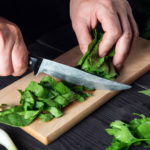
Washing, chopping, and storing vegetables in advance saves daily prep time. Store chopped veggies in clear containers or bags in the fridge.
Cook grains like rice, quinoa, or pasta in larger batches and portion them out. Use water ratios suited for each grain to maintain texture when reheating.
Vegetables and grains can be mixed with proteins for balanced meals or combined with sauces and spices at serving time for fresh flavor.
Proper storage and reheating are essential to keep meals safe and tasty. Knowing how long to store food and the best heating methods will help maintain flavor and prevent foodborne illness.
Store prepared meals in airtight containers to maintain freshness and prevent contamination. Use glass or BPA-free plastic containers with tight-fitting lids. Label each container with the date it was cooked.
Refrigerate meals within two hours of cooking. Keep them at or below 40°F (4°C). Most cooked meals can be safely stored in the fridge for 3-4 days. For longer storage, freeze meals in portions. Use freezer-safe containers or bags, removing as much air as possible to reduce freezer burn.
When thawing frozen meals, do so in the fridge overnight or use the microwave’s defrost setting. Avoid leaving meals at room temperature for extended periods, as this can promote bacterial growth.
Reheat meals evenly to at least 165°F (74°C) to kill harmful bacteria. Use a food thermometer to check the temperature when possible. Stir food during reheating to avoid cold spots.
Microwaving is quick, but cover the meals to retain moisture and heat evenly. When reheating on the stovetop or oven, add a splash of water or broth to prevent drying out.
Do not reheat meals more than once. Repeated cooling and heating increase the risk of foodborne illness and degrade taste and texture. Only reheat what you plan to eat immediately.
Focusing on organization and smart reuse of ingredients can drastically cut down on cooking time. Prioritizing a streamlined process in the kitchen and optimizing leftover management will help make meal prep efficient and less overwhelming.
Start by gathering and preparing all ingredients before cooking to minimize disruptions. Use a mise en place approach: wash, chop, and measure everything first. This method prevents scrambling for missing items and speeds up cooking.
Batch cooking multiple items simultaneously is effective. For example, roast vegetables while cooking grains on the stove. Utilize appliances like slow cookers or Instant Pots to reduce hands-on time.
Clean as you go to maintain a clear workspace, which helps avoid clutter and confusion. Keeping knives, cutting boards, and utensils handy also speeds up the process.
Plan meals to incorporate leftovers thoughtfully. Transform cooked proteins, grains, or vegetables into new dishes like salads, wraps, or stir-fries the next day.
Store leftovers in clear, labeled containers to quickly identify and use them before they spoil. Portion out servings immediately after cooking for easier reheating.
Freeze extra portions to extend their shelf life. This approach reduces waste and saves time on future meal prep sessions by providing ready-to-eat ingredients.
Organizing your meals around a consistent schedule can simplify cooking and save time. The following examples outline practical ways to spread out your prep work, either by dedicating a few hours once per week or by handling smaller tasks daily.
Set aside 2 to 3 hours on a weekend day to prepare meals for the upcoming week. Focus on cooking staples such as grains, proteins, and roasted vegetables in bulk.
Use this simple framework:
| Time | Task |
| 0:00-0:30 | Plan meals and shopping |
| 0:30-1:30 | Cook proteins (chicken, tofu, beef) |
| 1:30-2:00 | Prepare grains (rice, quinoa) |
| 2:00-2:30 | Steam or roast vegetables |
| 2:30-3:00 | Portion meals into containers |
Store meals in airtight containers and refrigerate or freeze depending on when you plan to eat them. This approach reduces daily cooking and ensures a variety of ready-made meals throughout the week.
Daily meal prep involves preparing components or entire meals in smaller increments each day. Spend about 20-30 minutes after dinner or in the morning.
Key tasks include washing and chopping vegetables, cooking grains, or assembling lunch boxes. For example:
This method suits people who prefer fresher meals or lack a large block of free time on weekends. It also reduces food waste by preparing only what you need.
Meal prepping can encounter obstacles such as repetitive menus or space and time constraints. Approaches to maintain variety and practical strategies for small kitchens or tight schedules can improve the experience.
Eating the same dishes repeatedly can reduce motivation. Rotate ingredients and flavors weekly to keep meals interesting without adding complexity. For example, use different herbs, spices, or sauces such as salsa, tahini, or soy sauce to change the taste profile.
Incorporate a mix of proteins, vegetables, and grains throughout the week. Planning themed days like Mexican-inspired, Mediterranean, or Asian-style meals helps diversify options.
Use recipes that share base ingredients but vary cooking methods, like roasting vegetables one day and stir-frying them another. Freezing portions of different meals and alternating them also prevents monotony.
When time is limited, focus on meals with fewer ingredients and prepping multiple components simultaneously. Use appliances like slow cookers or Instant Pots to reduce active cooking time.
Prioritize versatile containers that stack well and keep the fridge organized. Label meals with contents and dates to reduce decision-making and waste.
Consider batch cooking staples like rice, quinoa, or roasted vegetables once or twice a week. Store items in portioned containers to grab and reheat quickly.
For small kitchens, minimal equipment such as one cutting board and one pot helps. Clean as you go to maximize workspace and avoid clutter.
Consistency is key when starting meal prep. Set a specific day and time each week to prepare your meals, which helps build a routine and reduces last-minute cooking stress.
Use a simple plan that fits your schedule. Focus on a few staple meals and rotate them weekly to avoid overwhelming yourself. This also simplifies grocery shopping.
Tips for staying consistent:
Tracking progress can increase motivation. Use a calendar or app to mark completed meal prep days and track what meals worked best.
Remember, flexibility is important. If a busy week disrupts your plan, don’t abandon it. Adjust recipes or prep smaller portions to maintain the habit.
By staying organized and realistic with your approach, meal prepping becomes a manageable part of your routine rather than a chore.