Physical Address
304 North Cardinal St.
Dorchester Center, MA 02124
Physical Address
304 North Cardinal St.
Dorchester Center, MA 02124

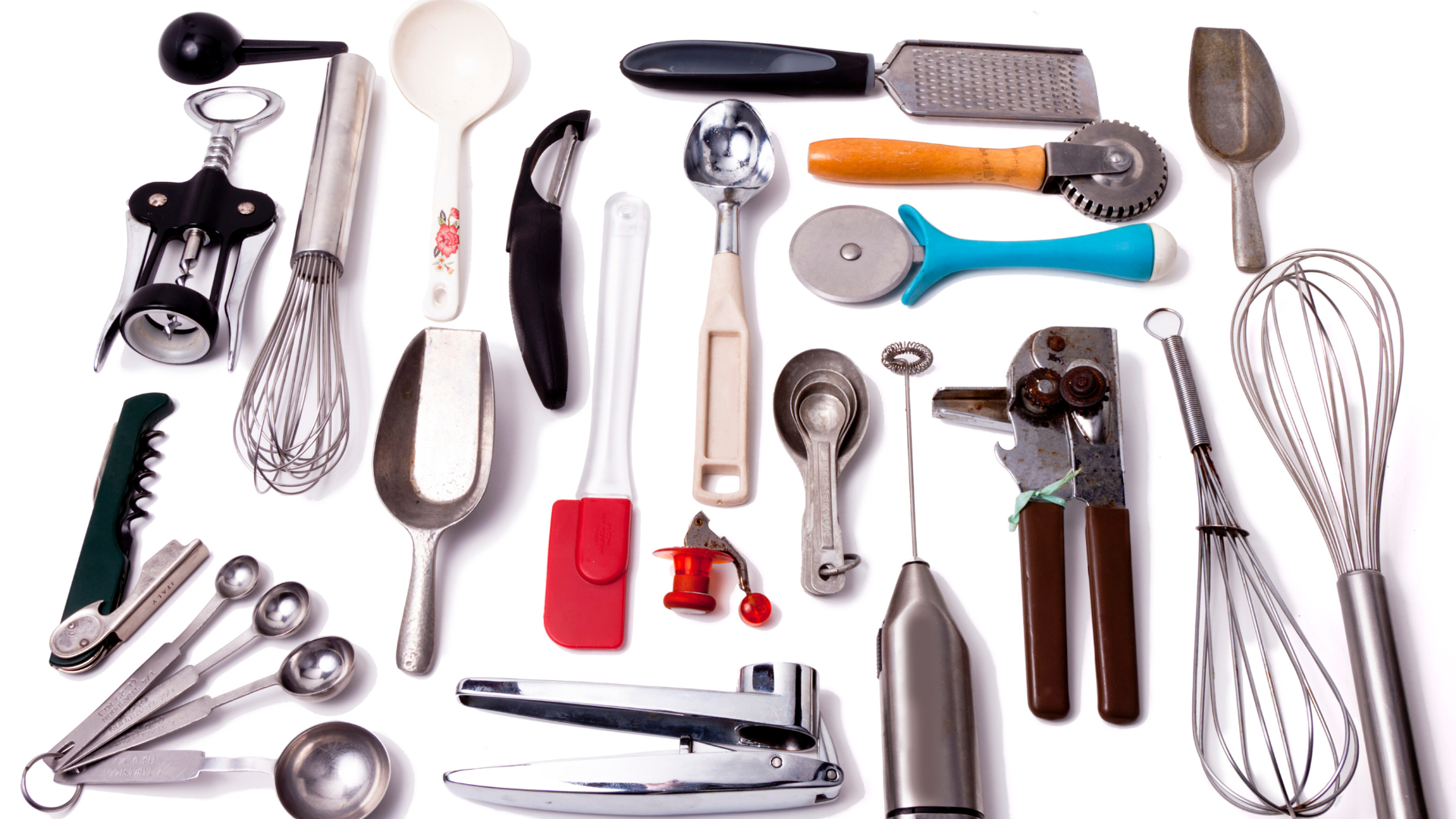
Choosing the right kitchen tools can make cooking at home more efficient and enjoyable. Essential tools include a sharp chef’s knife, a reliable cutting board, measuring cups, a sturdy skillet, and a versatile mixing bowl. These basics support a wide range of cooking tasks without overwhelming your kitchen space.
Investing in quality tools saves time and improves the outcome of your dishes. Whether you’re preparing simple meals or experimenting with new recipes, having dependable equipment helps maintain consistency and ease.
Understanding what tools serve multiple purposes helps streamline your kitchen setup. Focus on items that balance durability and functionality to best suit everyday cooking needs.
A good kitchen setup includes knives and cutting tools that match specific tasks while ensuring safety and efficiency. Choosing the right knife and maintaining it properly will enhance your cooking experience.
The chef’s knife is the most versatile tool in the kitchen. A typical length ranges from 8 to 10 inches, offering a balance between control and reach. Look for knives made from high-carbon stainless steel for sharpness and durability.
Handle comfort is crucial; options include wood, plastic, or composite materials. A well-weighted knife reduces hand fatigue during prolonged use. Some brands to consider are Wüsthof, Victorinox, and Global, known for quality craftsmanship.
Selecting the right cutting board protects both knife edges and countertops. Hardwood boards like maple or walnut are gentle on blades but require regular oiling to prevent cracking.
Plastic boards are dishwasher-safe and more hygienic, suitable for raw meats. Use color-coding (e.g., red for meat, green for vegetables) to avoid cross-contamination. Thickness around ¾ inch gives stability without excessive weight.
Paring knives typically have a 3-4 inch blade, ideal for peeling and intricate work. Utility knives fall between paring and chef’s knives, with blades from 4 to 7 inches, suited for slicing smaller fruits and vegetables.
Both knives should feel balanced in hand. Stainless steel blades offer low maintenance. Having these smaller knives complements the chef’s knife for precision tasks.
Keeping knives sharp is essential for both safety and efficiency. Options include whetstones, pull-through sharpeners, and electric sharpeners.
Whetstones provide control and superior edge quality but require practice. Pull-through sharpeners are convenient but can wear blades faster. Electric sharpeners offer speed, ideal for busy cooks. Aim to sharpen your knives regularly based on use frequency.
Essential cookware varies by cooking style but usually includes options for frying, simmering, and baking. Choosing the right materials affects heat control and food release. Durability and maintenance are key factors for sustained use.
Nonstick pans are best for cooking eggs, pancakes, and delicate foods that might stick. They require less oil and make cleanup easier. However, avoid high heat and metal utensils to maintain the coating.
Stainless steel pans offer superior searing and browning. They handle high heat well and are ideal for sautéing and deglazing sauces. Unlike nonstick, they need proper preheating and oiling to prevent sticking.
Both types serve different purposes. A quality nonstick skillet and a stainless steel sauté pan cover most frying needs in the kitchen.
Saucepans are versatile, ideal for boiling, making sauces, and reheating foods. Choose sizes between 2 and 4 quarts for everyday tasks. Look for thick, heavy bottoms to prevent hot spots and sticking.
Dutch ovens—usually cast iron or enameled—are excellent for slow cooking, braising, and soups. Their thick walls distribute heat evenly and retain it well. They work in the oven and on the stovetop, adding flexibility to cooking methods.
Both tools excel in handling liquids and longer cooking processes, making them kitchen staples.
Cast iron skillets offer unmatched heat retention and even cooking. They are suitable for frying, baking, and roasting. Over time, seasoning builds a natural nonstick surface that improves with use.
These skillets require maintenance: avoid soap when cleaning and dry immediately to prevent rust. They are durable and can handle high heat both on the stove and in the oven.
A cast-iron skillet is a long-term investment that enhances cooking performance and versatility.
Baking requires precision and the right tools to deliver consistent results. From preparing dough to measuring ingredients and baking evenly, each tool plays a critical role in the process.
A set of durable mixing bowls is essential for combining ingredients. Opt for stainless steel or glass bowls, as they are resistant to stains and odors. Choose bowls with non-slip bases or nesting designs for convenient storage and stability while mixing.
Sizes should vary from small (1-2 cups) to large (4-6 quarts) to accommodate different recipes. Lightweight yet sturdy bowls work well for whisking, folding, and dough-kneading. Avoid plastic bowls as they can retain odors and scratches over time, interfering with flavor and cleanliness.
Quality baking sheets and pans promote even heat distribution, preventing hot spots that brown or burn edges. Aluminum sheets with a non-stick coating or heavy-gauge steel pans are preferred for durability and consistent baking.
Select a rimmed baking sheet for cookies, roasting vegetables, or baking sheet cakes. For brownies, loaf breads, or layered cakes, invest in non-stick or silicone-coated pans sized appropriately for your common recipes. Consider using a cooling rack alongside baking sheets to help baked goods cool evenly and preserve texture.
Accurate measurement is critical in baking, making measuring cups and spoons indispensable. Use metal or sturdy plastic sets with clear, easy-to-read markings engraved or printed on the handles.
Dry measuring cups should come in standard sizes such as 1 cup, 1/2 cup, 1/3 cup, and 1/4 cup. Liquid measuring cups with a spout and larger capacity allow for easy pouring without spills. Measuring spoons typically include 1 tablespoon down to 1/4 teaspoon, essential for small quantities of baking powder, salt, or extracts.
Proper measurements ensure recipes turn out as intended and avoid over- or under-mixing ingredients.
Efficiency and precision are key in food preparation. Using the right tools can save time and improve consistency while minimizing effort.
Mandolines provide uniform slices quickly, ideal for vegetables like potatoes and cucumbers. They typically come with adjustable blades that vary in thickness. Safety features such as hand guards are important to prevent injuries.
Peelers help remove skin from fruits and vegetables with minimal waste. Options include swivel and Y-shaped designs, each suited for different tasks. High-quality peelers have sharp, durable blades that resist rust and stay sharp longer.
Graters come in multiple types—box graters, microplanes, and rotary options—each designed for specific textures. Box graters offer several grating sizes in one, while microplanes produce fine zest or finely grated cheese.
Zesters are specialized for removing citrus peels without the bitter pith. They have fine, sharp teeth to extract flavorful oils. Both tools should be sturdy and easy to clean for frequent use.
Sharp knives, especially chef’s knives, are essential for controlled chopping and slicing. Cutting boards should be stable and easy to sanitize, preferably made of wood or plastic.
Mixing tools include spatulas, whisks, and wooden spoons. Spatulas are versatile for folding and scraping, whisks help incorporate air in batters, and wooden spoons are durable for stirring thicker mixtures. Each tool serves a specific purpose but complements others in the kitchen.
Modern kitchen tools reduce the effort and time needed to prepare meals. Appliances like blenders, stand mixers, and multicookers can handle multiple tasks, from chopping to slow cooking, efficiently.
Blenders excel at pureeing soups, sauces, and smoothies quickly. They can crush ice and blend ingredients to a smooth consistency, saving steps in recipes.
Food processors are more versatile. They chop, slice, shred, and even knead dough with sharp blades and different attachments. This makes prep work fast, especially for vegetables and nuts.
Key features to consider include motor power, capacity, and available functions. A strong motor (at least 600 watts) handles tougher foods. Multiple bowl sizes add flexibility. Accessories like dough blades or slicing discs expand the capability.
Stand mixers automate mixing, beating, and kneading tasks that require effort and precision. They are ideal for baking, consistently delivering smooth batters and well-kneaded dough.
Attachments extend their use beyond baking. Whisks, paddles, and dough hooks cover various mixing needs. Some models accept extra tools for grinding meat, spiralizing, or making pasta.
Look for variable speed settings and a sturdy bowl. A tilt-head design offers easy access. Durability and noise levels are also important for frequent use.
Slow cookers provide hands-off cooking by simmering food over several hours. They excel at tenderizing meats and melding flavors with minimal supervision.
Instant Pots combine pressure cooking, slow cooking, steaming, and more in one device. They significantly reduce cooking time compared to traditional methods.
Features like programmable timers, safety locks, and multiple cooking modes make these appliances user-friendly. Instant Pots are especially beneficial for batch cooking and busy schedules.
| Appliance | Primary Functions | Key Features |
| Blender | Puree, blend, crush ice | Powerful motor, large jar capacity |
| Food Processor | Chop, slice, shred, knead dough | Multiple blades, variable speeds |
| Stand Mixer | Mix, beat, knead | Attachments, tilt-head, speed range |
| Slow Cooker | Slow simmer, tenderize meats | Timer, heat settings |
| Instant Pot | Pressure cook, slow cook, steam | Multipurpose, programmable, safe |
Effective organization and storage in the kitchen streamline cooking and cleanup. Using specific tools to separate, store, and display items helps maintain order and ease of access.
Drawer dividers keep utensils and tools separated and easy to find. Adjustable or modular dividers allow customization for various drawer sizes and utensil types.
Materials vary from bamboo to plastic, with bamboo offering durability and a natural look. Plastic dividers are easier to clean and often more budget-friendly.
Properly divided drawers prevent clutter and protect delicate tools like wooden spoons or knives from damage. Including compartments for small items such as measuring spoons or peelers improves efficiency during food prep.
Sturdy, airtight containers preserve freshness and reduce food waste. Glass containers with snap-on lids are ideal for visibility and durability. Plastic containers are lightweight and stackable, but should be BPA-free.
Uniform shapes and sizes maximize storage space in refrigerators and cabinets. Labeling containers with contents and dates ensures organized inventory management.
Investing in a few versatile sizes from small, 1-cup containers to large, 8-cup options covers various storage needs, from leftovers to bulk ingredients.
Spice racks keep spices visible, accessible, and protected from moisture or heat. Wall-mounted or countertop racks provide easy access and prevent spice bottle clutter.
Tiered racks increase visibility by displaying bottles at an angle, reducing the chance of using the wrong spice. Magnetic spice racks save counter space by attaching to the fridge or metal surfaces.
Regularly organizing and refilling spices in matching containers with clear labels improves cooking speed and ingredient accuracy.
Certain kitchen tasks require specialized tools that offer precision and ease, enhancing specific cooking techniques. These devices help prepare textures and flavors that standard equipment may not achieve efficiently.
Immersion blenders, or stick blenders, are handheld tools perfect for pureeing soups, sauces, and smoothies directly in the pot or container. Their compact design lets you blend without transferring ingredients, reducing cleanup time.
Most immersion blenders come with variable speeds and detachable shafts for easy cleaning. They are ideal for emulsifying dressings, whipping cream, or preparing baby food. Look for models with stainless steel blades and comfortable grips to ensure durability and control.
Spiralizers transform vegetables like zucchini, carrots, or squash into noodle-like shapes, which is useful for low-carb or gluten-free dishes. These tools come in manual and electric varieties, offering convenience depending on your kitchen setup.
They create consistent strands without much effort and help present vegetables attractively. When choosing a spiralizer, consider blade sharpness, ease of cleaning, and stability. Some models include multiple blade options for different spiral sizes.
Sous vide cooking involves sealing food in vacuum bags and cooking it at precise temperatures in a water bath. Specialized sous vide machines, called immersion circulators, regulate water temperature with high accuracy.
This method ensures even cooking and preserves moisture, making it popular for meats, fish, and vegetables. Key features to look for include temperature range, water circulation speed, and connectivity controls for smart devices. Suited for cooks aiming for restaurant-quality results at home.
Keeping kitchen tools clean and well-maintained ensures they perform effectively and last longer. Proper cleaning equipment and methods reduce bacteria buildup and prevent damage.
Dish brushes with stiff, durable bristles excel at removing stuck-on food without scratching cookware. Look for brushes with ergonomic handles that provide a secure grip during heavy scrubbing.
Sponges vary widely; cellulose sponges absorb water quickly but can harbor bacteria if not regularly sanitized. Consider antimicrobial or quick-drying sponges to minimize odor and germ buildup. Replace sponges frequently, approximately every two weeks, to maintain hygiene.
Both tools benefit from regular cleaning. Dish brushes can be cleaned by soaking in vinegar or running them through the dishwasher. Sponges should be microwaved damp for 1-2 minutes or soaked in a bleach solution to kill bacteria.
Multipurpose kitchen cleaners simplify cleaning by safely tackling grease, food residues, and grime on most surfaces. Choose cleaners labeled as food-safe and non-toxic to avoid contamination of food prep areas.
Ingredients like citrus-based solvents or mild surfactants provide effective cleaning power without harsh chemicals. Avoid abrasive or bleach-based cleaners as they can damage stainless steel, wood, and plastic surfaces.
Use sprays or wipes for quick application and wipe down countertops, stovetops, and appliances routinely. Always test clean invisible spots first to ensure material compatibility.
Microfiber towels are highly absorbent and effective at removing dirt and liquids without leaving lint behind. Their fine fibers capture grease and dust better than cotton or paper towels.
Select towels in different colors or patterns to designate specific tasks, such as wiping counters versus drying dishes, reducing cross-contamination risks. Machine wash towels without fabric softeners, which reduce absorbency.
Microfiber can be reused hundreds of times, making it economical and environmentally friendly. Keep several towels on hand for daily kitchen cleanup and polishing tasks.