Physical Address
304 North Cardinal St.
Dorchester Center, MA 02124
Physical Address
304 North Cardinal St.
Dorchester Center, MA 02124

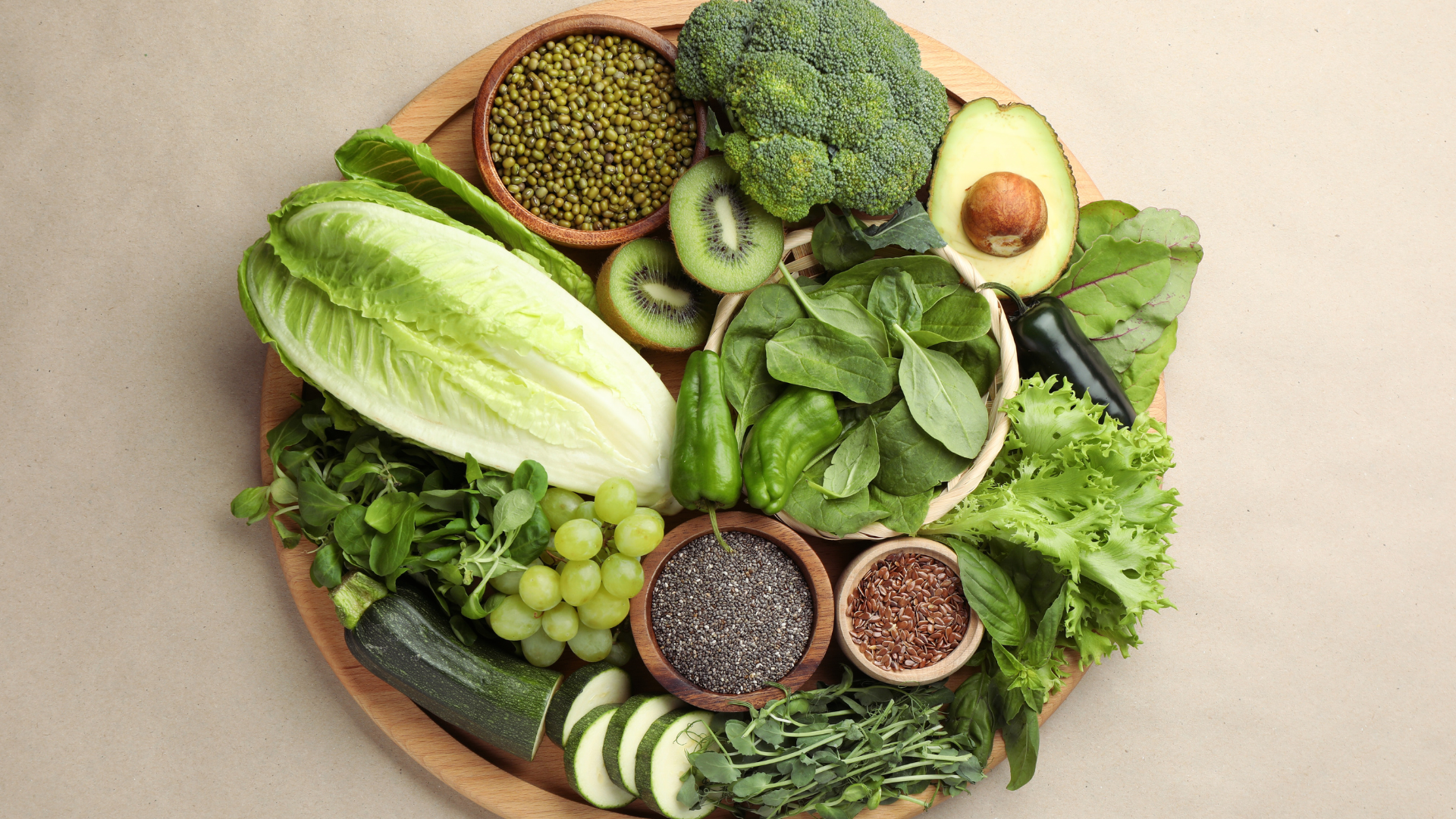
Comfort food is often linked to indulgence and high calories, but it doesn’t have to be that way. Healthy comfort food alternatives offer satisfying flavors and textures while supporting better nutrition.
By choosing nutrient-dense ingredients and mindful cooking methods, it’s possible to enjoy your favorite dishes without compromising health goals. This approach helps maintain well-being while still feeling cozy and satisfied.
Exploring these alternatives can make comfort food a part of a balanced lifestyle rather than a source of guilt or excess. Readers will find practical options to make everyday meals both enjoyable and wholesome.
Comfort food cravings arise from a mix of emotional, psychological, and physical factors. These cravings are often tied to memory, mood regulation, and the nutritional content of the foods themselves.
Comfort eating usually responds to stress, sadness, or boredom. The brain releases dopamine, a neurotransmitter linked to pleasure, when eating certain high-fat or sugary foods. This creates a temporary mood lift, reinforcing the behavior.
Many people associate comfort foods with childhood or special occasions, which adds an emotional connection. This nostalgic link makes cravings stronger and harder to resist.
Emotional triggers vary, but comfort eating is rarely about hunger. Instead, it serves as a coping mechanism for dealing with negative feelings or uncertainty.
Traditional comfort foods such as macaroni and cheese, fried chicken, and ice cream tend to be high in calories, saturated fats, and added sugars. They often lack fiber, vitamins, and minerals.
| Nutrient Component | Typical Level in Comfort Foods |
| Saturated fats | High |
| Added sugars | High |
| Fiber | Low |
| Protein | Moderate to low |
| Micronutrients | Often minimal |
These foods often deliver quick energy but are low in nutritional density, failing to support long-term health goals.
Consuming classic comfort foods frequently can contribute to weight gain, heart disease, and blood sugar imbalances. High saturated fat intake raises LDL cholesterol levels, increasing cardiovascular risk.
Sugar-rich comfort foods can cause rapid blood sugar spikes followed by crashes, impacting mood and energy. Over time, this pattern may lead to insulin resistance or type 2 diabetes.
The lack of essential nutrients weakens immune function and reduces overall well-being. Relying on these foods may perpetuate a cycle of craving and poor nutritional status.
Healthy comfort food relies on thoughtful ingredient choices, maintaining satisfying flavors, and managing portions effectively. Achieving a balance between nutrition and enjoyment is critical to making comfort meals that support well-being without sacrificing taste.
Choosing the right ingredients is crucial. Opt for whole grains like quinoa or brown rice instead of refined grains. Use lean proteins such as skinless chicken, legumes, or tofu to reduce saturated fat intake.
Incorporate plenty of vegetables for fiber, vitamins, and minerals. Swap heavy cream or butter with healthier fats like olive oil or avocado. Avoid processed foods high in sodium and added sugars, which can undermine health goals.
Natural spices and herbs boost flavor without extra calories or sodium. Small changes like these can transform classic comfort dishes into nutrient-dense meals.
Flavor and nutrition must coexist in healthy comfort food. Using umami-rich ingredients—such as mushrooms, tomatoes, or low-sodium soy sauce—adds depth without unhealthy additives.
Combine sweet, salty, sour, and bitter elements to keep dishes interesting and satisfying. Reducing salt is possible by utilizing herbs, garlic, and citrus zest.
Cook methods also affect nutrition and flavor. Baking, steaming, or sautéing with minimal oil preserves nutrients better than frying. Layering flavors gradually helps maintain the richness often associated with comfort food while supporting a balanced diet.
Portion size influences the overall impact of a meal on health. Use smaller plates or bowls to create a visual sense of abundance while limiting calorie intake.
Divide meals into protein, vegetables, and carbohydrates, keeping protein and vegetables as the largest portions. Track serving sizes for calorie-dense ingredients like cheese, nuts, and oils to avoid overeating.
Regularly practicing mindful eating—paying attention to hunger cues and eating slowly—supports better portion control. Pre-measuring or pre-plating meals can help prevent unintentional overconsumption.
Plant-based comfort foods can be flavorful and satisfying by focusing on nutrient-rich ingredients. Choosing the right vegetables, legumes, and whole grains delivers taste without sacrificing nutrition or texture.
Vegetable-based main courses use hearty vegetables like eggplant, mushrooms, and squash to mimic traditional comfort foods. For example, eggplant parmesan layers roasted eggplant with tomato sauce and cheese, providing richness without meat.
Root vegetables and winter squashes work well in casseroles or stews, offering natural sweetness and creaminess. Roasted cauliflower or stuffed bell peppers also make filling options due to their dense texture and ability to absorb spices.
Incorporate herbs and umami-rich ingredients like soy sauce or nutritional yeast to enhance depth and create satisfying, savory flavors in vegetable-focused dishes.
Legumes like lentils, chickpeas, and black beans replace meat in many comfort recipes. Lentil shepherd’s pie, for example, uses cooked lentils in place of ground meat, offering protein and fiber with a similar texture.
Chickpeas can be mashed or roasted to serve as a base for dishes like vegan “chicken” salad or crispy snacks. Beans in chili or stews add bulk and chewiness, replicating traditional meat-based dishes.
Pulses provide a cost-effective, nutrient-dense option low in fat and high in protein, ideal for those seeking healthful comfort without animal products.
Whole grains contribute texture, fiber, and sustained energy to comfort foods. Quinoa, farro, and brown rice easily replace refined grains in dishes like stuffed peppers or grain bowls.
Risotto made with barley or millet adds creaminess with added nutrients. Using whole-grain pasta in mac and cheese increases fiber while maintaining familiarity.
Experiment with grains for unique textures; for example, steel-cut oats can serve as a base for savory dishes, and bulgur works well in pilafs or salads meant to comfort and nourish.
Choosing healthier versions of classic comfort foods often means changing a few key ingredients. These swaps maintain familiar flavors while reducing calories, unhealthy fats, and added sugars.
Traditional macaroni and cheese relies heavily on full-fat cheese and butter, making it calorie-dense and high in saturated fat. For a healthier approach, use reduced-fat cheese or a blend of part-skim mozzarella and sharp cheddar to keep the taste rich but the fat content lower.
Swap heavy cream or whole milk with unsweetened almond milk or low-fat dairy. Incorporate pureed cauliflower or butternut squash into the cheese sauce. These vegetables add creaminess and nutrients without compromising texture.
Baking with whole-grain pasta instead of refined pasta increases fiber intake. Add a sprinkle of whole-grain breadcrumbs mixed with herbs on top for a crispy finish without excess fat.
Making pizza healthier starts with the crust. Opting for whole-wheat or cauliflower crust significantly increases fiber and reduces refined carbohydrates. Both options support better digestion and prolonged fullness.
Use tomato sauce without added sugars and layer on lean proteins such as grilled chicken or turkey sausage. Limit high-fat meats like pepperoni or sausage. Incorporate plenty of vegetables like spinach, bell peppers, and mushrooms for extra vitamins and minerals.
Choose part-skim mozzarella or mix it with lower-fat cheeses. Controlling cheese quantity further cuts saturated fat. Baking the pizza at home allows precise control over toppings and portion size, enhancing the nutritional profile.
Switching to lean protein sources like ground turkey, chicken breast, or plant-based patties reduces saturated fat and calories compared to traditional beef burgers. Grilling instead of frying helps remove excess fat.
Use whole-grain buns or replace buns with large leafy greens like romaine or collard greens to lower refined carb intake. Load sandwiches with fresh veggies—tomato slices, avocado, cucumbers, and leafy greens add fiber and nutrients.
Consider healthy condiments such as mustard, hummus, or mashed avocado instead of mayonnaise or creamy sauces. These offer flavor with less saturated fat and added sugar while supporting heart health.
Choosing comfort foods that are low in calories and carbohydrates can satisfy cravings without compromising dietary goals. Alternatives using vegetables and lean proteins provide rich flavors and textures while maintaining nutritional balance.
Cauliflower is a versatile vegetable often used as a low-carb substitute for traditional comfort foods. It can be mashed to mimic mashed potatoes or riced to replace white rice, both significantly lowering calorie and carbohydrate content.
Roasted cauliflower wings are a popular option, offering a crispy texture with less fat than fried chicken wings. Cauliflower pizza crust is another alternative, combining fiber and nutrients with the familiar comfort of pizza.
Nutritionally, cauliflower provides vitamin C, fiber, and antioxidants, supporting a healthy diet. Its mild flavor allows seasoning flexibility, making it an effective base for diverse dishes.
Lean proteins such as skinless chicken breast, turkey, and fish reduce calorie and fat intake compared to red meat. These options supply essential amino acids required for muscle maintenance and overall health.
Baked or grilled preparations keep dishes moist and flavorful without added fats. Using lean ground turkey in chili or chicken breast in casseroles lowers saturated fat intake.
Seafood, like salmon and cod, brings omega-3 fatty acids, which have heart health benefits. Incorporating these proteins into classic recipes creates satisfying meals that align with low-calorie, low-carb goals.
Traditional pasta and rice are high in carbohydrates, which can hinder low-carb eating plans. Alternatives made from vegetables or legumes offer similar textures with fewer carbs.
Spiralized zucchini or “zoodles” are a popular substitute for pasta; they cook quickly and hold sauces well. Shirataki noodles, derived from konjac yam, contain minimal calories and carbs.
Cauliflower rice mimics regular rice texture and absorbs flavors of accompanying dishes. Legume-based pasta provides additional fiber and protein, improving satiety while keeping carb counts lower.
| Substitute | Calories per serving | Net Carbs (g) | Key Benefit |
| Zucchini noodles | 20 | 3 | High water content, low carb |
| Shirataki noodles | 10 | 1 | Very low calorie and carb |
| Cauliflower rice | 25 | 5 | Rich in fiber and vitamins |
| Chickpea pasta | 180 | 25 | Higher protein and fiber |
Many comfort foods can be adapted to meet specific dietary restrictions while maintaining satisfying flavors and textures. Ingredients can be swapped or modified to avoid common allergens and sensitivities.
Gluten-free diets require eliminating wheat, barley, rye, and related grains. Using rice flour, almond flour, or tapioca starch allows the creation of baked goods with familiar textures. For example, mashed potatoes or risotto can replace gluten-heavy pasta or bread sides.
When choosing convenience items, look for certified gluten-free labels to avoid cross-contamination. Many recipes use quinoa, polenta, or gluten-free oats to add warmth and substance without gluten. Gluten-free soy sauce or tamari can replicate Asian flavor profiles safely.
Dairy-free options rely on plant-based milks and fats like coconut milk, almond milk, or olive oil. These provide creaminess in soups, sauces, and mashed vegetables without lactose or dairy proteins.
Substitutes such as nut-based cheeses or avocado spreads mimic dairy textures. In baking, apple sauce or mashed bananas can replace butter or cream. Pay attention to hidden dairy in processed foods, particularly in ready-made broths or baked goods.
Allergy-friendly versions remove nuts, eggs, soy, or shellfish, depending on individual needs. Common substitutions include flax or chia seeds for eggs and sunflower seed butter instead of peanut butter.
Avoiding cross-contact is essential in preparation. Using separate utensils and cooking surfaces reduces risk. Simple staples like roasted vegetables, grilled meats, and rice bowls provide safe, comforting meals without complex allergens.
| Allergen | Common Substitute | Notes |
| Eggs | Flax/chia seed “egg.” | Mix 1 tbsp ground seeds + 3 tbsp water |
| Dairy | Coconut/almond milk | Check for added sugars or stabilizers |
| Nuts | Sunflower seed butter | Use in equal volume as nut butter |
| Gluten | Rice/quinoa/flax-based flour | Verify cross-contamination risks |
Comfort food snacks and sides can be satisfying without the added calories or unhealthy fats. Choosing nutrient-dense ingredients, focusing on whole foods, and minimizing processed additives create options that support health goals.
Replace traditional chips with air-popped popcorn or roasted chickpeas for a crunchy texture and fiber boost. Greek yogurt paired with fruit or a drizzle of honey offers protein and natural sweetness without excess sugar.
For dips, choose hummus or guacamole instead of creamy, high-fat options. Sliced vegetables like carrots, cucumbers, and bell peppers provide vitamins and fiber. Trail mixes with nuts, seeds, and dried fruit supply healthy fats and antioxidants while curbing sugar spikes.
Steamed or roasted vegetables seasoned with herbs and spices can satisfy cravings for rich flavors. Cauliflower mashed with garlic and a small amount of olive oil mimics mashed potatoes with fewer carbs and more nutrients.
Spiralized zucchini or sweet potato noodles offer lower-calorie, fiber-rich alternatives to traditional pasta. Adding a splash of lemon juice or a sprinkle of Parmesan cheese boosts flavor without overwhelming calories. Roasted Brussels sprouts or sautéed kale bring earthy, savory notes that complement many meals.
Swap refined flour for whole wheat, oat, or almond flour in baked goods like bread or muffins. These alternatives increase fiber content and offer a lower glycemic impact.
Use natural sweeteners like maple syrup or mashed bananas in recipes instead of refined sugars. Incorporate seeds like flax or chia for omega-3 fats and added texture. Whole-grain crackers paired with a lean protein or cheese create a balanced snack that supports energy and satiety.
Choosing desserts that satisfy a sweet tooth without excess calories or refined sugars is key. Options using natural sweetness and nutrient-dense ingredients provide better nutrition with comforting flavors.
Fruit is a natural sweetener rich in fiber, vitamins, and antioxidants. Fresh berries, peaches, or apples can be baked with cinnamon for warmth and flavor.
Try roasting fruits like pears or pineapple to concentrate their sweetness without added sugar. Serving fruit with a dollop of Greek yogurt adds protein and creaminess.
Frozen grapes or banana slices make simple, cold treats. A fruit salad with a splash of lemon juice and mint refreshes and hydrates.
Keep portion sizes moderate. Avoid canned fruits with syrup, which add unnecessary sugars.
Cutting back on sugar reduces calorie intake and blood sugar spikes. Use alternatives like stevia, monk fruit, or erythritol in recipes. These sweeteners provide sweetness without the calories.
When baking, halve the sugar amount or substitute it with unsweetened applesauce or mashed bananas. These add moisture and mild sweetness.
Choose unsweetened cocoa powder for chocolate desserts, enhancing flavor without sugar. Flavor desserts with vanilla, cinnamon, or nutmeg to compensate for less sugar.
Remember, reducing sugar may alter texture slightly, but it keeps desserts enjoyable and packed with less added sugar.
Baked goods can be made healthier by swapping white flour for whole wheat, oat, or almond flour. These flours add fiber, protein, and micronutrients.
Incorporate nuts, seeds, or shredded vegetables like zucchini or carrots to add texture and nutrition. Use healthy fats such as olive oil or avocado instead of butter.
Recipes like muffins, bars, or cookies benefit from these swaps and maintain familiar comfort food qualities.
Control portion by baking in smaller sizes. This helps prevent overeating even with healthier ingredients.
Healthy comfort food can be both satisfying and nutritious with the right approach. Balancing ingredients, using proper cooking methods, and paying attention to eating habits all contribute to a fulfilling meal experience.
Start by incorporating a variety of food groups into your meals. Aim for half your plate to be vegetables, one quarter lean protein, and one quarter whole grains or starchy vegetables. Planning meals this way helps control portions and ensures nutrient diversity.
List out ingredients before shopping to avoid impulse buys. Batch cooking and portioning meals for the week can reduce reliance on unhealthy convenience foods. Include seasonal produce for freshness and better flavor.
Tracking calories isn’t always necessary. Instead, focus on the quality of ingredients and combining complex carbs, fiber, and protein to maintain energy and fullness.
Use cooking methods that reduce added fats and preserve nutrients. Baking, steaming, grilling, and sautéing with minimal oil are better choices than deep-frying.
Swap heavy creams and butter for healthier fats like olive oil or avocado. Incorporate herbs and spices to boost flavor without extra sodium or sugar.
For creamy textures, try pureed vegetables instead of cheese-heavy sauces. Roasting vegetables caramelizes natural sugars, adding comfort without added calories.
Keep an eye on cooking times to avoid nutrient loss. Overcooking can reduce vitamins, especially in greens.
Eat slowly and pay attention to hunger cues. This reduces overeating and increases meal satisfaction. Put away distractions like phones to focus on flavors and textures.
Use smaller plates to naturally control portion sizes. Recognizing when you feel comfortably full helps prevent unnecessary calorie intake.
Stay hydrated, but try to avoid drinking large amounts of fluids right before or during meals, which can dilute digestive enzymes and affect fullness signals.
Enjoying each bite and savoring familiar flavors supports long-term healthy eating habits while still providing comfort.