Physical Address
304 North Cardinal St.
Dorchester Center, MA 02124
Physical Address
304 North Cardinal St.
Dorchester Center, MA 02124

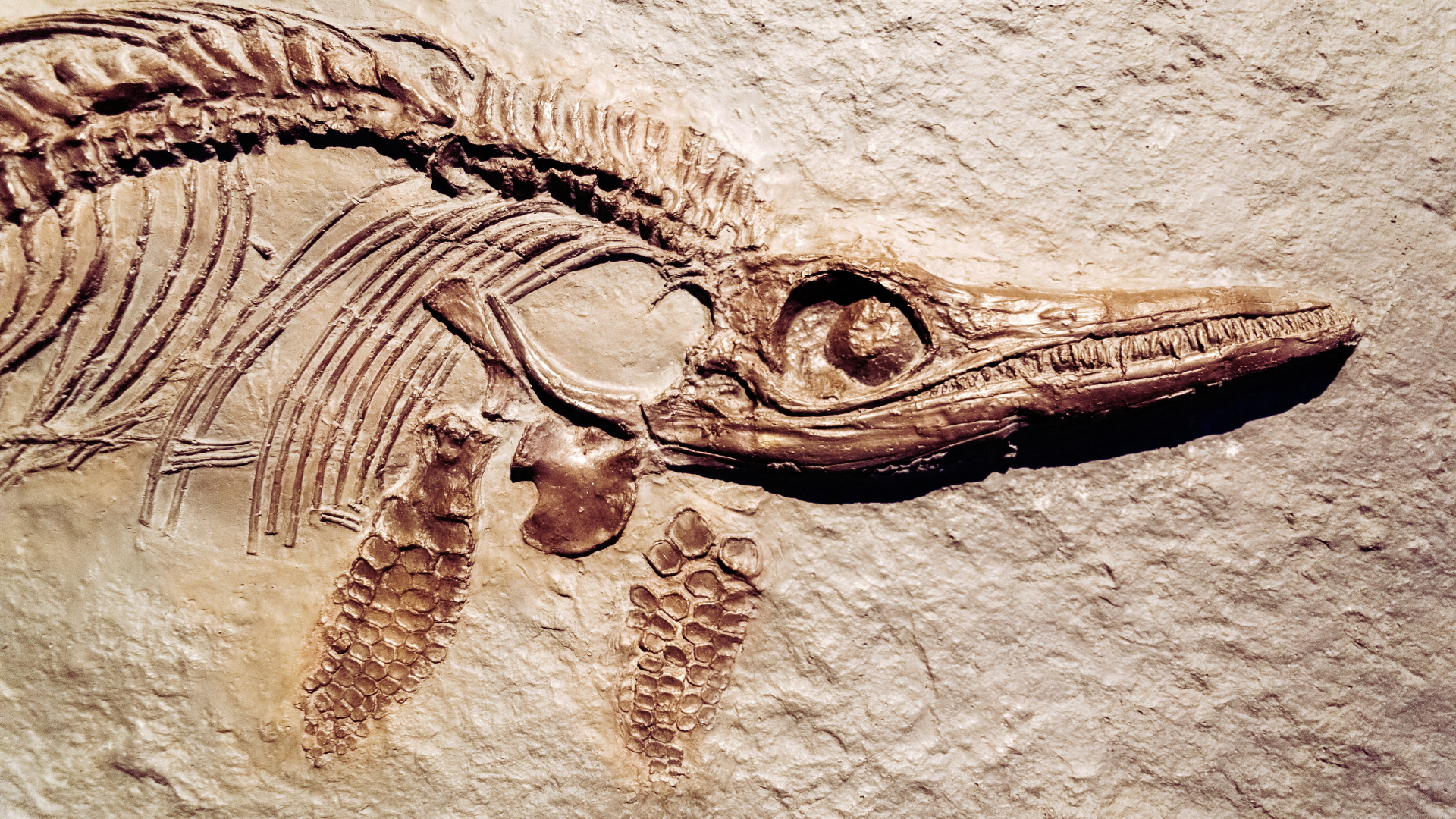
Fossils serve as a crucial link between the present and the distant past, offering a window into the lives of ancient organisms. They reveal important details about the ecosystems that existed millions of years ago, helping to reconstruct the diverse forms of life on Earth. Through careful study, scientists can gather insights about the behaviors, diets, and habitats of prehistoric species.
The process of fossilization itself preserves a variety of evidence, including bones, shells, and even traces of plant life. These remnants allow researchers to build a picture of the evolutionary history of life on the planet, demonstrating how species adapted to changing environments over time. By examining fossil records, one can trace the development of life from simple organisms to complex ecosystems.
Understanding these ancient life forms not only enhances knowledge of biological evolution but can also inform how current species may respond to environmental changes. Fossils thus provide a vital context for the ongoing study of biodiversity and ecosystem dynamics today.
Fossils are invaluable in reconstructing the history of life on Earth. They provide insights into ancient environments, organisms, and the evolution of life forms over millions of years.
The fossil record serves as a timeline of life’s history, revealing when particular species thrived and how ecosystems evolved. Fossils are primarily found in sedimentary rocks, which form from the accumulation of sediments in water. These rocks preserve the hard parts of organisms, such as bones, shells, and teeth, allowing scientists to study the morphology and behavior of ancient life.
By examining the fossil record, researchers can identify patterns of extinction and evolution. Some fossils contain chemical traces that inform about the diet and habitat of ancient organisms. This indirect evidence helps reconstruct past climates and ecological dynamics.
Fossils can be broadly categorized into body fossils and trace fossils. Body fossils include preserved remains of organisms, such as bones, whereas trace fossils consist of indirect evidence like footprints, burrows, or coprolites (fossilized feces).
The formation of fossils is a complex process requiring specific conditions. For body fossils, organisms must be rapidly buried to protect them from decay. The hard parts turn into fossils through mineralization, where minerals replace organic materials over time. Conversely, trace fossils form when organisms interact with their environment, leaving marks that can endure through geological time.
Microfossils are tiny fossilized remains of microorganisms, often found in sedimentary rocks. They provide crucial insights into early life on Earth, particularly from the Precambrian era.
Microbial life contributed significantly to Earth’s ecosystems and atmospheric composition. Fossils of cyanobacteria, for example, indicate ancient photosynthetic processes that greatly influenced global oxygen levels. Studies of microfossils reveal patterns of evolution, adaptation, and mass extinctions, bolstering the understanding of life’s resilience. These microorganisms are fundamental for studying both terrestrial and marine life, reflecting the dynamic interactions between species and their environments over geological time.
Studying fossils provides insights into ancient ecosystems and the evolution of life on Earth. Various methods and technologies are employed by specialists in the field, such as paleontologists and geologists, to uncover valuable information about the past.
Paleontologists and geologists collaborate to analyze rock strata and fossil remains. This team approach aids in reconstructing ancient environments and understanding the chronological order of events in Earth’s history.
Field studies often involve careful excavation, where fossils are removed from their geological context. Researchers document the location and conditions of find sites, which is critical for interpreting the fossil’s significance.
In Canada and Western Australia, diverse geological formations offer unique opportunities for research. The detailed study of Australian rocks reveals a rich fossil record that contributes to global knowledge regarding Earth’s biological and environmental past.
Modern technologies enhance the study of fossils beyond traditional methods. Imaging techniques, such as CT scanning and 3D modeling, allow scientists to visualize internal structures without damaging specimens.
Isotope analysis is another crucial technique, helping paleontologists understand the diet and habitat of ancient organisms. By analyzing the chemical composition of fossils, researchers can infer climatic conditions and shifts in ecosystems.
Universities, including University College London, are at the forefront of developing and implementing these technologies. Their research often leads to breakthroughs that advance the field of paleontology and our understanding of life’s history.
Natural history museums serve as vital repositories for fossils and artifacts uncovered during research. These institutions not only preserve findings but also engage the public with educational displays and programs.
Exhibitions often showcase significant fossil discoveries from various regions. They provide a platform for researchers to share their findings with a wider audience, promoting interest in paleontology and geology.
Museums frequently collaborate with academic institutions and organizations to conduct research. These partnerships enhance the credibility of fossil studies and ensure that important discoveries are effectively communicated to the public and scientific community alike.
Fossils serve as critical evidence for understanding the origins and evolution of life on Earth. They provide insights into environmental changes and the diversity of ancient organisms.
Fossils indicate that life originated over 3.5 billion years ago. The earliest life forms were simple microorganisms, primarily prokaryotes. Over time, life evolved through processes such as genetic mutation and natural selection. Transitional fossils, like those of early amphibians, illustrate the gradual changes from aquatic to terrestrial environments.
These fossils highlight significant evolutionary milestones, including the development of multicellular organisms. The study of these fossils allows researchers to trace lineage and adaptations of species through different geological eras.
The environmental conditions of early Earth were diverse and complex. Factors such as volcanic activity, atmospheric composition, and climate had profound effects on life. Primordial oceans rich in chemicals created a suitable habitat for early life forms.
Fossils reveal how organisms adapted to solutions of various minerals and changing temperatures. For example, some ancient cyanobacteria produced oxygen as a byproduct, leading to significant changes in the Earth’s atmosphere. This shift allowed for the evolution of aerobic organisms.
The fossil record documents an extensive diversity of life forms that existed throughout Earth’s history. From the Cambrian explosion to the age of dinosaurs, fossils display varied morphological characteristics. Key groups include plants, arthropods, and vertebrates, each showcasing evolutionary adaptations.
Notable examples are the armored dinosaurs and the diverse range of flowering plants. Fossils provide clarity on ecological niches and interactions among species, allowing researchers to reconstruct ancient ecosystems effectively.
Certain fossils shed light on unique organisms like algae and fungi. Algae play an essential role in aquatic ecosystems and contribute significantly to atmospheric oxygen levels. Their fossilized remains assist in identifying ancient aquatic environments.
Fungal fossils also provide valuable insights into terrestrial life. They represent important symbiotic relationships with early land plants. Moreover, the presence of sterols, such as cholesterol, in sedimentary rocks indicates the evolutionary history of complex cells.
These unique fossils contribute to understanding biochemical pathways and the interactions among ancient life forms. Researchers use this information to infer the evolutionary relationships between modern and ancient organisms.
The study of fossils offers insights that extend beyond understanding Earth’s history. Discoveries in paleontology inform searches for life on other planets, especially in environments similar to ancient Earth. Fossils highlight the conditions that support life, guiding scientists in their explorations of potential habitats in space.
Fossils provide vital clues about the conditions that once supported life on Earth. They offer context for understanding ancient ecosystems and environments. By analyzing these ancient organisms, scientists can identify traits that might be found in extraterrestrial life.
Identifying biomarkers or specific chemical signs in fossils enables researchers to develop criteria for detecting potential life forms elsewhere. The traits of extremophiles on Earth, organisms thriving in harsh conditions, can inspire expectations for life in extreme environments on other planets.
Mars has long been a focal point in the search for extraterrestrial life. Studies of Martian soil and rocks reveal similarities in geological processes compared to Earth. Fossils of simple organisms found in ancient Earth sediments help define what signs of life might look like on Mars.
Mars exploration missions focus on identifying ancient riverbeds and lake sediments, which suggest that the planet once had liquid water. Understanding Earth’s fossil record aids in interpreting these Martian findings, offering a comparative framework for assessing past life on the Red Planet.
The ocean floor serves as a historical record, containing fossils that document Earth’s evolutionary timeline. Deep-sea hydrothermal vents and sediment cores reveal areas where life has thrived, even in extreme conditions.
This geological evidence suggests that similar environments may exist on other celestial bodies, such as Europa or Enceladus. By examining the fossilized remains of marine organisms, scientists can hypothesize about potential life-supporting conditions in extraterrestrial ocean worlds.