Physical Address
304 North Cardinal St.
Dorchester Center, MA 02124
Physical Address
304 North Cardinal St.
Dorchester Center, MA 02124


Cooking with seasonal ingredients means using fruits, vegetables, and other foods that are at their peak of freshness during a specific time of year. This approach enhances flavor, improves nutrition, and often lowers costs.
Seasonal cooking also supports local farmers and reduces environmental impact since the food doesn’t require extensive transport or storage. Knowing what ingredients are in season allows you to plan meals that highlight natural tastes without heavy processing or additives.
Understanding how to identify and prepare these ingredients makes your kitchen more dynamic and connected to the natural cycle of food production. This knowledge encourages creativity and helps you enjoy meals that feel fresh and relevant every time you cook.
Seasonal ingredients reflect the natural growing cycles of fruits, vegetables, and herbs in a specific region. Knowing when and why ingredients are at their peak helps in choosing the freshest and most flavorful options available.
Seasonal ingredients are foods harvested at the time of year when they naturally mature and ripen. For example, asparagus peaks in spring, while apples are abundant in the fall. These foods have not been forced to grow out of season through artificial means.
Eating seasonally means selecting produce that is grown locally and harvested at its prime. They tend to be fresher, tastier, and more nutrient-rich compared to fruits and vegetables shipped from afar or grown in greenhouses.
Eating seasonal foods offers several advantages. Fresh ingredients have higher nutrient content since vitamins degrade over time during transport and storage. Seasonal produce also tends to have better flavor and texture.
Purchasing what is in season often reduces costs because supply meets natural demand without expensive storage or transport. Moreover, seasonal eating supports local farmers and reduces environmental impact from long-distance shipping.
Local produce is the best indicator of seasonality when sourced from farms or markets nearby. Checking farmers’ markets, community-supported agriculture (CSA) programs, and farm stands can reveal what’s currently available in your area.
Labels at grocery stores may indicate the origin of the produce, helping to distinguish local from imported items. Using local harvest calendars or apps tailored to your region can also guide selections effectively during different months.
Understanding what ingredients are available each season helps streamline shopping, meal prep, and storage. Selecting fresh produce at peak ripeness enhances flavor and nutritional value while supporting local markets.
Focus on local farmers’ markets and grocery stores that highlight seasonal products. Inspect produce carefully; look for vibrant color, firmness, and no blemishes. Items like berries peak in summer, while root vegetables dominate fall and winter.
Use a simple chart to track seasonal availability:
| Season | Common Ingredients |
| Spring | Asparagus, peas, rhubarb |
| Summer | Tomatoes, zucchini, stone fruits |
| Fall | Pumpkins, apples, sweet potatoes |
| Winter | Brussels sprouts, kale, citrus fruits |
Buying in-season reduces cost and ensures freshness. Consider delivery services that specialize in seasonal produce for convenience.
Base weekly menus on the freshest items available to maximize taste and variety. Plan recipes around star ingredients—such as grilled peaches in summer or hearty stews in winter. Incorporate a balance of proteins, grains, and vegetables aligned with the season.
Batch cooking helps manage time; make large portions of soups or roasted vegetables and freeze portions for later. Use seasonal herbs and spices to enhance dishes without overpowering natural flavors.
List popular seasonal meals:
Proper storage is critical to extend shelf life. Leafy greens should be kept in moist, ventilated containers. Root vegetables store well in dark, cool places with moderate humidity.
Preserving methods include freezing, drying, and canning. Blanch vegetables before freezing to maintain texture and color. For fruits, freeze berries whole or as purees.
Use airtight jars or vacuum-seal bags for canned or dried goods to prevent spoilage. Label packages with dates to rotate supplies effectively. This approach minimizes waste and allows seasonal flavors to be enjoyed year-round.
Seasonal ingredients respond best to specific cooking methods that preserve their texture, flavor, and nutritional value. Using simple recipes can enhance natural tastes without overwhelming them. It’s also essential to balance flavor and nutrition for a satisfying dish.
Spring vegetables, such as asparagus and peas, are tender and benefit from quick cooking methods such as steaming or sautéing. These methods keep their bright colors and fresh flavors intact.
Summer fruits and vegetables often have high water content. Grilling or roasting concentrates their natural sweetness by caramelizing sugars. For example, grilling peaches or roasting tomatoes intensifies their taste.
Fall and winter produce, like root vegetables and squash, are denser and better suited to slow roasting, braising, or stewing. These methods soften their texture and develop richer flavors.
| Season | Suitable Cooking Methods | Examples |
| Spring | Steaming, sautéing | Asparagus, peas |
| Summer | Grilling, roasting | Peaches, tomatoes |
| Fall/Winter | Roasting, braising, stewing | Carrots, butternut squash |
Keeping recipes simple preserves the essence of seasonal produce. Use minimal seasoning like salt, pepper, and fresh herbs to enhance without masking flavors.
For instance, roasting fall vegetables with just olive oil and rosemary emphasizes their natural sweetness and earthiness. In summer, a light vinaigrette with lemon and basil can brighten fresh tomatoes without overpowering them.
Avoid heavy sauces or over-spicing seasonal ingredients to let their unique character shine. Simple preparations often deliver the most direct expression of seasonal quality.
Seasonal produce offers peak nutritional value when fresh and minimally processed. Cooking methods like steaming or lightly sautéing can retain water-soluble vitamins better than boiling.
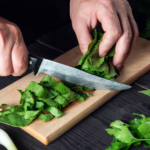
For example, lightly steaming spinach preserves vitamin C and folate while maintaining flavor. Combining vegetables with healthy fats, like olive oil, can increase absorption of fat-soluble vitamins A, D, E, and K.
Ensure dishes include a balance of textures and flavors—such as pairing tender roasted root vegetables with a crisp salad—to create enjoyable, nutrient-rich meals.
Spring brings a fresh palette of ingredients, perfect for light dishes that highlight natural flavors. Using tender greens, crisp vegetables, and delicate herbs can brighten meals and invoke the season’s renewal.
Spring ingredients include asparagus, radishes, peas, rhubarb, and artichokes. These items are harvested at their peak, offering more flavor and nutrients. Look for firm asparagus with tightly closed tips and bright green color.
Strawberries and young carrots are also common in spring. Their sweetness pairs well with savory dishes or simple salads. Fresh peas, often sold still in pods, require quick cooking to keep their sweetness intact.
Spring recipes often emphasize minimal cooking to preserve ingredient texture and taste. Salads with snap peas, shaved radishes, and lemon vinaigrette provide crispness and tang.
Soups can be made with pureed asparagus or peas, thinly seasoned to enhance their natural sweetness. Grilled artichokes or steamed baby carrots with a drizzle of olive oil highlight the season’s colors and flavors without heaviness.
Fresh herbs like mint, tarragon, and chives come into season during spring and add bright, aromatic notes. Use them sparingly to avoid overwhelming delicate vegetables.
Baby greens such as spinach, arugula, and watercress should be added at the end of cooking to maintain their texture and nutritional profile. Herb-infused oils and simple dressings marry greens and herbs seamlessly in every dish.
Summer offers a variety of fresh, vibrant ingredients that thrive in warm weather. Cooking during this season often involves simple techniques that highlight natural flavors and textures.
Summer fruits and vegetables peak in ripeness and flavor, making them ideal for fresh consumption or light cooking. Key summer fruits include watermelon, peaches, blueberries, and cherries. These are rich in natural sweetness and ideal for snacking or desserts.
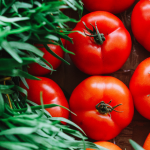
Vegetables like tomatoes, zucchini, cucumbers, bell peppers, and corn come into season, offering crispness and bright colors. Use them in salads, salsas, or roasted dishes to retain their nutrients and flavor.
| Fruit/Vegetable | Peak Months | Common Uses |
| Watermelon | June to August | Fresh slices, salads |
| Tomatoes | July to September | Sauces, salads, grilling |
| Zucchini | June to August | Stir-fries, grilling |
| Peaches | July to September | Desserts, grilling |
Grilling is a popular method to cook summer ingredients, enhancing their natural sweetness with smoky notes. Grilled corn on the cob, eggplant, and bell peppers create savory bases for meals.
Chilled dishes, such as gazpacho and fruit salads, offer refreshing options that require minimal cooking. Combining fresh herbs like basil or mint with cucumbers, tomatoes, and lemon juice elevates simple recipes.
Try grilled peach halves with a splash of balsamic vinegar for a quick dessert, or a cucumber-mint yogurt dip to pair with raw vegetables. These methods emphasize freshness and ease, perfect for summer heat.
Autumn brings a wide variety of ingredients like squash, apples, and root vegetables. Using these fresh items adds depth and natural sweetness to meals while embracing the cooler weather.
Focus on ingredients such as pumpkins, butternut squash, sweet potatoes, and Brussels sprouts. These vegetables can be roasted, sautéed, or pureed to highlight their natural flavors. Apples and pears also peak in this season and work well in both savory and sweet dishes.
Try roasting squash with olive oil, rosemary, and garlic for a simple side dish. Incorporate apples into salads or stews to add a crisp, tart contrast. Roasting root vegetables together, including carrots and parsnips, ensures a hearty, nutritious option.
Fall is ideal for slow-cooked meals and warm dishes. Use seasonal staples like cabbage, leeks, and mushrooms in soups, stews, and casseroles. These ingredients bring earthy tones that pair well with spices like cinnamon and nutmeg.
Classic dishes like butternut squash soup or apple-stuffed pork chops use autumn flavors to provide warmth and satisfaction. Braised cabbage with smoked sausage, or mushroom risotto, are great examples of comfort food using fall produce. These recipes emphasize texture and seasoning to bring out the best in seasonal ingredients.
Winter cooking focuses on ingredients that offer both nutrition and comfort. This season highlights vegetables that thrive in cold weather and dishes designed to warm and satisfy.
Root vegetables like carrots, parsnips, turnips, and beets are at their peak during winter. They store well and develop a natural sweetness when cooked. Roasting or slow braising enhances their flavor and texture.
Winter greens such as kale, Swiss chard, and collard greens provide essential vitamins in cold months. These tough leaves soften with sautéing or steaming. Combining root vegetables with leafy greens in soups or stews is common.
Cooking tips:
Winter dishes emphasize slow cooking and layering flavors. Stews, casseroles, and braises use seasonal produce and tougher cuts of meat. These techniques tenderize ingredients and meld tastes deeply.
Soups made from bone broth, lentils, or barley often include root vegetables and greens for fullness and nutrition. Adding spices like rosemary, thyme, or bay leaves complements winter flavors without overpowering.
Recipe ideas:
| Dish Type | Key Ingredients | Cooking Method |
| Beef Stew | Chuck roast, carrots, potatoes | Slow braise |
| Lentil Soup | Lentils, kale, parsnips | Simmer |
| Vegetable Casserole | Beets, Swiss chard, onions | Bake |
Finding uncommon seasonal ingredients often involves exploring specific venues and methods. These sources provide fresher, often higher-quality products that can elevate seasonal dishes with distinctive flavors.
Farmers’ markets are prime spots to find unique seasonal produce directly from growers. Local producers often offer heirloom varieties of vegetables and fruits not found in regular stores. Seasonal specialties like purple carrots, rainbow chard, or uncommon mushroom varieties often appear here.
Supporting local farmers also means access to small-batch items like artisanal cheeses, fresh herbs, and handmade preserves. It’s helpful to visit multiple markets to compare offerings and talk to producers for tips on ingredient use and peak season timing.
Foraging lets you gather wild ingredients like ramps, fiddlehead ferns, or wild berries. These provide flavors that are not cultivated commercially and can add authentic seasonal character to dishes. Knowledge of local regulations and proper identification is essential for safety.
Start by researching regional edible plants and consult with experienced foragers or guides. Proper harvesting respects the environment and ensures sustainability. Wild ingredients require immediate use or preservation due to their perishable nature.
Adjusting recipes based on what’s in season helps maintain flavor and freshness. It often means swapping ingredients or finding clever ways to work with limited options.
When a recipe calls for out-of-season produce, choose substitutes with similar textures and flavors. For example, replace fresh tomatoes with roasted red peppers or canned tomatoes during the winter months.
Leafy greens like spinach can be swapped with kale or Swiss chard, which tend to be available in more seasons. Root vegetables like carrots and parsnips often replace potatoes or turnips if the latter aren’t fresh.
Use this substitution table as a guide:
| Out-of-Season Ingredient | Possible Substitute |
| Fresh berries | Frozen berries |
| Summer squash | Zucchini or cucumber |
| Fresh herbs | Dried herbs (adjust quantity) |
Adjust cooking times when using substitutes, as texture and moisture content may vary.
If a needed ingredient isn’t available, consider preservation methods like freezing, pickling, or drying to extend its shelf life. Using frozen or canned versions can maintain nutritional value and flavor, especially for fruits and vegetables like peas, berries, or corn.
Experiment with recipes that highlight pantry staples, such as beans, grains, or root vegetables. These ingredients are often available year-round and can adapt to many culinary styles.
Herbs and citrus zest can also brighten dishes and compensate for missing fresh produce. Focus on balancing flavors through seasoning when fresh options are limited.
To get the most from seasonal ingredients, focus on using every part of what you buy and plan your cooking to avoid spoilage. These steps help to enhance taste and minimize food waste effectively.
Many parts of fruits and vegetables often get discarded, but they can add flavor, texture, or nutrients to dishes. For example, beet greens are tender and can be sautéed like spinach, while broccoli stems can be peeled and roasted or added to soups.
Herb stems contain essential oils and can boost the aroma in stocks or sauces. Citrus peels work well grated for zest or simmered in syrups and drinks. Using scraps for homemade vegetable broth is another way to utilize leftovers, reducing waste and adding depth to meals.
Cooking in bulk with seasonal produce helps manage excess before it spoils. Prepare large batches of soups, stews, or sauces, then portion and freeze them in airtight containers.
Label containers with dates and ingredient details to keep track of freshness. Most cooked dishes maintain quality for up to three months in the freezer. Blanch vegetables briefly before freezing to preserve color and nutrients. Using proper freezing methods reduces food waste while providing ready meals when time is limited.