Physical Address
304 North Cardinal St.
Dorchester Center, MA 02124
Physical Address
304 North Cardinal St.
Dorchester Center, MA 02124


Cooking can feel overwhelming for beginners, but it doesn’t have to be. By mastering a few simple techniques, anyone can prepare tasty meals with confidence.
Basic skills like chopping, sautéing, boiling, and seasoning are essential and easy to learn. These methods form the foundation of most recipes and make cooking more approachable.
Understanding and practicing these simple techniques not only saves time but also improves your results in the kitchen. This article will guide you through straightforward steps to get started without stress.
Having the right tools makes cooking easier and more efficient. Focus on practical items that offer versatility and durability.
Basic utensils like a chef’s knife, cutting board, and wooden spoon form the foundation of any kitchen. A sharp chef’s knife enhances safety and precision when chopping vegetables or slicing meat.
Other useful tools include a paring knife for smaller tasks and a slotted spoon for draining liquids. Measuring cups and spoons ensure accuracy, especially when following recipes.
Choose utensils with comfortable handles and easy-to-clean materials like stainless steel or wood. Avoid too many specialty tools that may clutter your workspace.
Start with a non-stick skillet, a medium-sized saucepan, and a large pot for boiling or stewing. Non-stick pans require less oil and are simpler to clean, ideal for beginners.
Materials matter: stainless steel offers durability and even heat distribution. Avoid cheap aluminum, which can warp easily.
Invest in cookware with oven-safe handles. This adds flexibility when transferring dishes from the stovetop to the oven.
A lid for pots and pans helps trap heat and moisture, reducing cooking time and enhancing flavors.
A microwave is useful for reheating and quick cooking tasks. A blender or immersion blender allows for easy preparation of soups, sauces, and smoothies.
A slow cooker or instant pot simplifies hands-off cooking, especially for stews and grains. These appliances save time without sacrificing control over ingredients.
Avoid buying too many gadgets at once. Choose appliances based on cooking preferences and available counter space. Quality and ease of use should come before novelty.
These fundamental techniques involve using heat and moisture to transform raw ingredients into cooked meals. Mastering them lays the groundwork for more advanced cooking by controlling temperature and timing effectively.
Boiling means heating water until it reaches 212°F (100°C) and bubbles vigorously. It’s best for cooking pasta, potatoes, and blanching vegetables quickly. Boiling can break down food structure if done too long, so timing is key.
Simmering occurs just below boiling, around 180°F to 205°F (82°C to 96°C). It cooks food gently without agitation. Use simmering for soups, stews, and braises, where slower cooking extracts flavors without toughening ingredients.
To control simmering, watch for small bubbles gently rising, avoiding a rolling boil. Using a lid retains moisture and speeds cooking by trapping steam.
Steaming cooks food by surrounding it with hot steam, preserving nutrients and texture better than boiling. It’s effective for vegetables, fish, and dumplings.
A simple setup requires a pot with boiling water and a steaming basket or rack above the water line. Steam cooks by transferring heat without direct water contact, preventing sogginess.
Timing varies: vegetables like broccoli steam in 5-7 minutes, while fish may need 8-10 minutes. Avoid over-steaming, which causes loss of color and texture.
Season food before steaming or add herbs and aromatics to the water for subtle flavor infusion.
Baking uses dry heat in an enclosed oven, cooking food evenly through hot air circulation. It’s ideal for breads, cakes, casseroles, and roasted vegetables.
Set accurate oven temperatures and preheat fully before baking to ensure consistent results. Use appropriate bakeware—metal pans conduct heat well, glass promotes even browning.
Key elements include monitoring time, not opening the oven door frequently, and relying on visual or textural cues like golden crusts or toothpick tests to check doneness.
Baking relies on chemical reactions; leavening agents create a rise, and heat solidifies the structure, so following recipes closely is essential for beginners.
Sautéing cooks food quickly in a small amount of oil or fat over medium to high heat. It’s suitable for vegetables, proteins, and aromatics like garlic and onions.
Use a wide pan with even heat distribution. Preheat the pan and add oil before the ingredients to prevent sticking. Stir or toss constantly to promote even cooking and prevent burning.
Sautéing preserves food’s natural texture and flavor due to the short cooking time. Ingredients should be cut into uniform pieces to cook evenly.
Control heat to avoid overheating oil, which can smoke or produce off-flavors. Common fats include olive oil, butter, or vegetable oil, depending on desired taste and smoke point.
Knife skills improve safety, efficiency, and the appearance of your food. Proper technique involves knowing how to hold the knife, control the blade, and apply consistent motions. This helps prevent accidents and creates uniform cuts for even cooking.
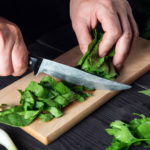
Always use a sharp knife; dull blades require more force and increase injury risk. Grip the handle firmly with your dominant hand, while your other hand curls fingers inward to hold ingredients securely—this is called the “claw grip.”
Cut on a stable surface, preferably a non-slip cutting board. Never rush your cuts. Keep the tip of the knife touching the board and use a rocking motion for better control. Keep your eyes on the blade and fingers at all times to avoid accidents.
Chopping means cutting into large, rough pieces. It is useful for vegetables like onions or peppers when precision isn’t essential.
Dicing produces small, even cubes. Start by slicing ingredients into thin strips, then cut across those strips to create uniform pieces. Diced cuts cook evenly and look neat.
Mincing is finely chopping food into tiny pieces. It is common for garlic or herbs. Use a quick rocking motion, repeatedly chopping until pieces are very small and nearly uniform.
Consistent slicing ensures even cooking and a balanced presentation. Hold the item steady with your non-dominant hand, using a claw grip for safety.
Use smooth, deliberate strokes, cutting away from your body. Keep the knife tip on the board and lift the handle up and down in a rocking motion. For vegetables like carrots or cucumbers, cutting at a consistent angle and thickness helps with uniformity.
Practice with soft ingredients first to build control before moving to harder foods.
Properly preparing ingredients reduces cooking time and improves the final dish’s taste and texture. This involves cleaning, measuring, and organizing components before starting to cook.
Start by rinsing fresh produce under cold running water to remove dirt and pesticides. Use a vegetable brush for firm-skinned items like potatoes and carrots.
Peeling depends on the recipe and type of produce. For example, remove the skin from potatoes, carrots, or apples if the dish calls for it, but keep skins on if they add texture or nutrients. Use a sharp peeler to minimize waste and prevent injuries.
Dry leafy greens with a salad spinner or clean kitchen towel to avoid excess water, which can alter cooking results or dilute flavors.
Accurate measurements affect cooking consistency. Use measuring cups for dry ingredients and liquid measuring cups for fluids.
Spoons are useful for small amounts like spices and baking powder. Level off dry ingredients with a straight edge to ensure precise quantities.
Weighing ingredients with a kitchen scale is ideal for accuracy, especially for baking. Convert units when necessary (1 cup = 240 ml, 1 tablespoon = 15 ml) to follow recipes correctly.
Gather all required ingredients and tools before beginning to cook. Place ingredients in small bowls or containers, a method known as “mise en place,” which streamlines the cooking process.
Organize ingredients in the order they will be added to the recipe. This prevents missed steps and reduces stress during cooking.
Keep knives, cutting boards, and utensils within reach to work more efficiently. Clean as you go to maintain a tidy workspace and avoid clutter.
Seasoning is key to turning simple ingredients into satisfying meals. Effective use of basic seasonings, herbs, and balancing tastes can dramatically improve a dish without complicating the cooking process.
Salt enhances natural flavors and can soften bitterness. Use it sparingly at first, adding more gradually as you cook. Different salts—table salt, kosher salt, sea salt—vary in texture and intensity. Kosher salt is often preferred because it’s easy to control and dissolves well.
Pepper adds sharpness and warmth. Freshly ground black pepper has more intensity than pre-ground. Add it toward the end of cooking to keep its aroma strong.
A simple tip: taste your dish after seasoning, then adjust. Over-salting can’t be easily fixed, so balance carefully.
Fresh herbs like basil, cilantro, and parsley add brightness and green notes. Add fresh herbs near the end of cooking or as a garnish for the best flavor. Dried herbs are more concentrated and should be added earlier to develop taste.
Spices—such as cumin, paprika, and cinnamon—bring warmth and complexity. Start with small amounts to avoid overpowering your dish. Toasting whole spices briefly in a dry pan intensifies their flavor.
Use a few key herbs and spices at a time to keep flavors clear. Experiment gradually to find pairings you like.
Balancing sweet, sour, salty, and bitter is essential. A pinch of sugar can cut acidity, while lemon juice or vinegar brightens and adds sharpness.
Taste your food from start to finish, adjusting these elements in small steps. For example, add acid at the end to lift flavors without masking other tastes.
Salt ties flavors together, acid sharpens, sweetness soothes, and bitterness adds depth. Keep these roles in mind when seasoning. Using simple tools like lemon, sugar, and vinegar can balance dishes effortlessly.
Using minimal oil, preserving nutrients, and controlling portion sizes are key to preparing healthier meals. These approaches help maintain flavor and nutritional value while reducing excess calories and waste.
Cooking with less oil lowers calorie intake without sacrificing taste. Choose methods like steaming, baking, grilling, or sautéing with a small amount of oil.
Use non-stick pans to reduce the need for oil. Measuring oil with a teaspoon instead of pouring directly from the bottle helps control the amount added.
Healthy oils such as olive or avocado oil should be used sparingly. Avoid deep frying often, as it increases fat content significantly.
Nutrients can be lost through heat, water, or long cooking times. To preserve vitamins and minerals, steam vegetables instead of boiling them.
Use minimal water and short cooking times when boiling is necessary. Cooking with the skin on vegetables like potatoes and carrots also retains more nutrients.
Microwaving and stir-frying are efficient methods that maintain most nutrients due to quick cooking. Avoid peeling fruits and vegetables unless necessary.
Managing portion sizes helps prevent overeating and supports balanced nutrition. Use smaller plates to make servings appear fuller and avoid large second helpings.
Weigh or measure ingredients, especially for grains and protein, to get accurate portion sizes. A good rule of thumb is about 3–4 ounces of protein per meal.
In restaurants or at home, divide large portions into smaller servings. Listen to hunger cues rather than eating until the plate is empty.
Understanding how to stay safe while cooking is essential. Handling tools correctly and maintaining hygiene prevents injuries and foodborne illness, making cooking a safer experience.
Keep knives sharp to reduce slipping and accidental cuts. Always cut away from your body and use a stable cutting board. Avoid distractions and maintain focus while using sharp tools.
Place pot handles inward on the stove to prevent accidental knocks. Use oven mitts when handling hot pots, pans, or trays. Keep a fire extinguisher accessible and know how to use it.
Wear close-fitting clothing to avoid catching on fire or getting caught in appliances. Clean spills immediately to prevent slips. Keep knives and hot equipment away from the edge of counters.
Wash your hands thoroughly with soap and warm water for at least 20 seconds before and after handling food. Avoid cross-contamination by using separate cutting boards for raw meat and vegetables.
Cook foods to the recommended internal temperatures to kill harmful bacteria. Use a food thermometer to check doneness— for example, chicken should reach 165°F (74°C).
Store perishable foods promptly in the refrigerator at or below 40°F (4°C). Thaw frozen foods safely in the refrigerator or microwave, not on the counter, to prevent bacterial growth.
Efficient cleanup and correct storage of leftovers help maintain hygiene and extend the life of cooked food. Using straightforward methods can make this process faster and safer. Organizing your kitchen tools and containers ensures smooth post-cooking routines.
Begin by scraping off excess food from plates and cookware before washing. Soaking pots and pans with stubborn residue in warm, soapy water for 10-15 minutes softens grime for easier cleaning.
Use a sponge or cloth designated for dishes with hot water and dish soap. Rinse thoroughly to remove all soap, which can affect taste and leave a residue. Dry items with a clean towel or air dry to prevent bacterial growth.
Disinfect countertops and cooking surfaces with a mild bleach solution or kitchen-safe cleaner. Wipe down cutting boards separately, especially after handling raw meat, to avoid cross-contamination.
Allow cooked food to cool slightly before storing, but do not leave it out more than two hours to minimize bacteria growth. Use airtight containers or wrap food tightly with plastic wrap or aluminum foil.
Label containers with the date of preparation. This practice helps track freshness and prevents accidental consumption of spoiled food.
Store leftovers in the refrigerator at or below 40°F (4°C). For longer storage, place portions in the freezer at 0°F (-18°C) or lower. Thaw frozen food safely in the refrigerator or microwave, never at room temperature.
Use shallow containers when possible for quicker cooling. Avoid stacking warm containers to reduce the risk of uneven temperatures inside the fridge.
Starting with simple dishes helps reinforce essential cooking skills like sautéing, simmering, and timing. These recipes are designed to be straightforward yet practical, so beginners can build confidence while producing tasty meals.
One-pot meals reduce cleanup and simplify the cooking process. A classic example is a chicken and rice dish where the protein, vegetables, and grains cook together in one pan. This method teaches timing and how ingredients release flavors as they cook collectively.
Basic one-pot recipes often involve browning meat first to develop flavor, then adding liquids and other ingredients to simmer. This technique emphasizes patience and monitoring heat to avoid burning or undercooking. It also shows how to create depth with minimal steps.
Stir-frying requires high heat and fast cooking. Beginners can start with simple combinations like chicken, bell peppers, and snap peas. Proper chopping and preparing all ingredients before heat is applied is critical for even cooking.
Mastering stir-frying involves learning to keep food moving in the pan to prevent sticking and burning. Using a neutral oil with a high smoke point and adding sauces at the right moment enhances flavor without overwhelming the dish.
Soups provide a forgiving way to practice simmering and seasoning. A basic vegetable or chicken noodle soup allows beginners to learn ingredient prepping, layering flavors, and timing.
Key soup skills include sweating vegetables to release sweetness, controlling simmer speed, and tasting frequently to adjust seasoning. Simple recipes with few ingredients minimize confusion but still deliver a balanced flavor profile.