Physical Address
304 North Cardinal St.
Dorchester Center, MA 02124
Physical Address
304 North Cardinal St.
Dorchester Center, MA 02124

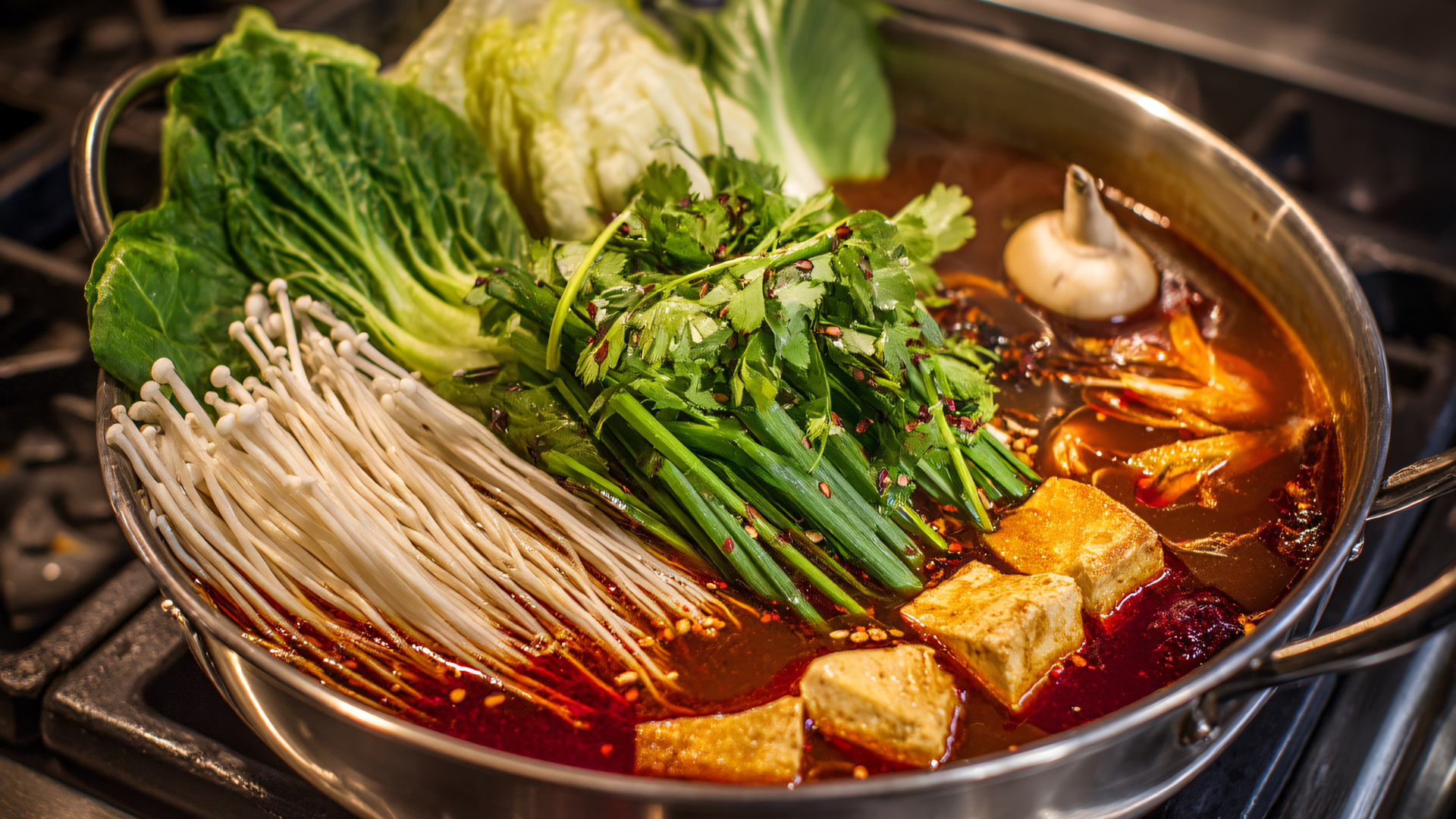
One-pot meals simplify cooking by combining all ingredients into a single dish, reducing both preparation time and cleanup. These meals save time and effort while still delivering nutritious and flavorful dishes with minimal hassle.
They are ideal for busy schedules, beginners, or anyone looking to streamline their cooking process without sacrificing variety. From soups to casseroles, one-pot recipes offer a range of options to fit different tastes and dietary needs.
This guide will present practical and easy-to-follow one-pot meal ideas that make weekday dinners more manageable and enjoyable.
Simple one-pot meals reduce cooking complexity while saving valuable time and effort. They limit the amount of cleaning after cooking and accommodate a wide range of ingredients, making them practical and flexible for everyday use.
One-pot meals cut down cooking time significantly by consolidating multiple steps into a single cooking process. Ingredients cook simultaneously, which speeds up meal preparation compared to using several pots or pans.
This method also reduces the need to monitor multiple dishes. You can focus on other tasks while the meal cooks, making it ideal for busy schedules.
Preparation is streamlined because chopping and combining ingredients happen in one step. This approach saves time before the cooking begins, reducing the overall effort needed to complete the meal.
Using just one pot means fewer utensils and cookware to wash. This reduces the post-meal cleanup time, which can otherwise be a deterrent to home cooking.
Cleaning a single pot is faster and simpler, especially if the pot has a non-stick surface. It also means less chance of staining or stuck-on food, which can require heavy scrubbing.
Minimal cleanup increases the likelihood of making homemade meals regularly. It makes the cooking process less intimidating and more sustainable for everyday habits.
One-pot recipes can accommodate a broad range of ingredients, from vegetables and grains to meats and legumes. This versatility allows for easy customization based on what’s available.
The combined cooking process enhances flavors as ingredients meld together in the same pot. This results in balanced and hearty meals without the need for complex seasoning.
You can adjust ingredients easily to meet dietary needs or preferences. One-pot meals work for vegetarian, gluten-free, and low-carb diets by simply swapping or omitting specific components.
Using the right tools and organizing ingredients properly can improve both flavor and texture. Controlling heat and timing ensures even cooking without overcooking or burning.
Select a pot with a heavy bottom for even heat distribution. Cast iron, enameled cast iron, and stainless steel are excellent choices. Avoid thin or uneven pans, which can cause hot spots and sticking.
Size matters—pick a pot that fits the recipe volume without crowding ingredients. A 4- to 6-quart pot suits most meals, allowing enough room for stirring and expansion during cooking.
Lids are crucial. A tight-fitting lid traps moisture and heat, which helps cook ingredients evenly and maintains flavor. Prefer pots with sturdy handles for safe handling when stirring or moving.
Add ingredients in stages based on cooking times. Start with aromatics like onions and garlic to build a flavor base. Then, add proteins followed by sturdier vegetables that need longer cooking.
Leafy greens and quick-cooking items should be added last to avoid overcooking and maintain texture. Avoid overcrowding; give each layer space to cook properly.
Use the “top to bottom” layering technique: dense, slow-cooking items at the bottom, quicker-cooking ingredients on top. This method promotes even cooking and prevents mushy textures.
Cook on medium to low heat to allow gradual, even cooking. High heat often causes burning or uneven cooking, especially with thicker meals.
Follow recipe timing closely, but check for doneness based on ingredient textures. Stir occasionally to prevent sticking and distribute heat.
Use a thermometer to gauge protein doneness precisely. Adjust the heat or cooking time if the pot is too hot or if ingredients cook faster than expected.
Many one-pot meals combine convenience with flavor, offering a range of textures and ingredients in a single dish. Key meal types include pasta dishes, stews, and rice-based recipes, each providing distinct cooking methods and ingredient profiles.
One-pot pastas are prized for their speed and minimal clean-up. All ingredients—pasta, vegetables, protein, and liquids—cook together, allowing the starches to naturally thicken the sauce. This method eliminates the need to drain pasta and enhances flavor absorption.
Typical ingredients include penne or spaghetti, canned tomatoes or broth, onions, garlic, and proteins like sausage or chicken. Fresh herbs such as basil or parsley finish the dish. Cooking liquid and timing are critical; too much liquid results in a soupy texture, while too little can cause burning.
The simplicity of one-pot pastas makes them a go-to for weeknight dinners. They balance carbohydrates, vegetables, and protein in a single dish, which is ideal when time and resources are limited.
Hearty stews are slow-cooked dishes combining meat, vegetables, and broth or stock. Common choices for protein include beef, chicken, or lamb, which become tender after long simmering. Root vegetables like potatoes, carrots, and onions typically accompany the meat.
The cooking liquid should be flavorful, often built from stock, wine, or a tomato base, with herbs such as thyme or bay leaves added for aroma. A key feature is the stew’s thick consistency, achieved through slow reduction or addition of thickening agents like flour or cornstarch.
Stews offer a nutritious, filling meal that improves in taste when reheated. They are adaptable, allowing substitutions based on seasonal produce or dietary preferences without changing the fundamental cooking process.
One-pot rice meals smoothly integrate rice, protein, vegetables, and spices in a single cooking vessel. Popular examples include paella, jambalaya, and pilaf. The rice absorbs all cooking liquids and spices, intensifying the overall flavor.
Ingredients often consist of long-grain or medium-grain rice, chicken or seafood, bell peppers, onions, garlic, and broth infused with spices like saffron, paprika, or cumin. Precise timing is essential to ensure rice is cooked fully without becoming mushy or dry.
These dishes are valued for their balance of textures and complex flavors while requiring minimal cleanup. They also provide flexibility in ingredient choice and are appropriate for both everyday meals and special occasions.
These recipes focus on simplicity without sacrificing flavor. They save time on cooking and cleanup, using minimal ingredients and straightforward techniques.
For fast meals, choose recipes with quick-cooking proteins like shrimp or thinly sliced beef. Combine these with pre-washed vegetables and instant grains like couscous or minute rice. For example, a shrimp stir-fry with bell peppers and snap peas can be cooked entirely in one skillet within 15 minutes.
Use high heat and keep ingredients chopped uniformly for even cooking. Adding simple sauces, such as soy sauce or garlic lemon butter, enhances flavor without extra prep. Keep pantry staples like canned beans and diced tomatoes on hand to boost meal options quickly.
Chicken breasts or thighs work well in one-pot recipes for weeknights. Brown the chicken first, then add vegetables like carrots, potatoes, and onions. Pour in broth or canned tomatoes to create a flavorful base that cooks everything through.
Try recipes like chicken cacciatore, where the skillet doubles as a simmer pot, or chicken and rice casseroles that finish in one pot. These dishes provide balanced nutrition and can easily be doubled for leftovers. Spice with garlic, rosemary, or paprika to diversify the taste without complication.
One-pot vegetarian meals often center on legumes, grains, and sturdy vegetables. Lentils, chickpeas, or black beans offer protein while cooking in broth with onions, garlic, and spices. Add leafy greens or squash for variety and nutrition.
Examples include lentil stew with carrots and tomatoes or quinoa chili packed with beans and peppers. These recipes balance fiber, protein, and vitamins in an easy-to-clean pot. Season with cumin, chili powder, or curry powder, depending on the flavor profile desired.
Planning ahead and organizing your cooking process can save time and reduce stress during busy days. Using effective strategies for batch cooking and properly storing meals ensures both convenience and freshness.
Batch cooking involves preparing large quantities of food at once, which can be portioned out and refrigerated or frozen for later. Choose recipes that maintain texture and flavor when reheated, such as stews, casseroles, and grain-based dishes.
Use large, oven-safe pots or slow cookers to handle bigger volumes. Cook ingredients in stages if necessary—sauté aromatics first, then add proteins and liquids. This approach builds layers of flavor without overcooking any component.
Divide cooked meals into individual containers for easy grab-and-go options. Label each container with contents and date to keep track. Batch cooking reduces daily cooking time and helps control portion sizes effectively.
Not all one-pot meals freeze equally well, so select recipes that freeze and thaw without significant loss of quality. Avoid dairy-heavy dishes or ones with delicate vegetables unless you plan to add fresh ingredients after reheating.
Use airtight, freezer-safe containers or heavy-duty freezer bags to prevent freezer burn. Remove excess air from bags to preserve texture. Cool meals completely before freezing to avoid condensation buildup.
When reheating, thaw meals overnight in the refrigerator or use the defrost setting on a microwave. Stir occasionally during reheating to promote even heating. Label packages clearly with freeze and use-by dates, typically within 2-3 months for best taste.
One-pot meals can be tailored to fit specific dietary requirements without sacrificing flavor or convenience. Adjusting ingredients allows for options that support low-carb lifestyles or meet gluten-free standards.
Low-carb one-pot meals focus on reducing starchy vegetables and grains, replacing them with high-fiber, nutrient-dense alternatives. Ingredients like cauliflower rice, zucchini noodles, and leafy greens are ideal for maintaining low-carbohydrate content.
Proteins such as chicken, beef, shrimp, or tofu provide substance and variety. Adding healthy fats like olive oil or avocado can help keep these meals satisfying. For example, a one-pot chicken skillet with spinach, mushrooms, and cherry tomatoes cooked in olive oil makes a balanced low-carb dinner.
Using spices like garlic, paprika, and herbs enhances flavor without adding carbs. Avoiding added sugars and high-carb sauces ensures the recipe stays within low-carb limits.
Gluten-free one-pot meals exclude any wheat, barley, or rye-containing ingredients while focusing on naturally gluten-free foods. Rice, potatoes, quinoa, and legumes serve as excellent carbohydrate sources.
Careful label reading is important when using packaged or canned items, such as broths or seasoning mixes, to ensure they do not contain hidden gluten.
A good example is a gluten-free chili made with ground beef, beans, diced tomatoes, onions, and spices. All ingredients can be cooked together in one pot, delivering a hearty meal that avoids gluten.
Alternatives like gluten-free pasta and corn tortillas can also be used in one-pot meals for variety while maintaining gluten-free compliance.
Cost-effective ingredients and clever use of what you already have can make one-pot meals both affordable and satisfying. Prioritizing inexpensive proteins and pantry staples reduces expenses without sacrificing flavor or nutrition.
Beans and lentils are excellent budget-friendly proteins. They provide essential nutrients and can be combined with grains or vegetables in one pot for a complete meal.
Chicken thighs often cost less than breasts and stay tender when cooked slowly in a single pot. Ground turkey and eggs are other affordable options that cook quickly and absorb flavors well.
Incorporating plant-based proteins such as chickpeas or tofu not only saves money but also adds variety and texture to dishes. Buying meat in bulk and freezing portions extends savings over several meals.
Staple items like rice, pasta, canned tomatoes, and dried beans form the base of many one-pot meals. They have long shelf lives and can be transformed into diverse dishes with the addition of fresh or frozen vegetables.
Stock or broth cubes enhance flavor without the need for fresh ingredients. Spices like garlic powder, paprika, and dried herbs make pantry meals vibrant and complex without increasing cost.
Planning meals around what is already in your pantry minimizes waste and shopping trips. Simple combinations of staples with seasonal produce are key to affordable and nourishing one-pot meals.
Adding the right ingredients can transform a simple one-pot meal into a flavorful dish. Carefully chosen seasonings and global influences can elevate taste without complicating preparation.
Fresh herbs like cilantro, basil, and parsley add brightness and freshness. Dried options such as thyme, oregano, and rosemary offer deeper, earthier notes. Use herbs in the final minutes of cooking to keep their flavor vibrant.
Spices like cumin, paprika, and turmeric introduce warmth and complexity. Toasting whole spices before adding liquids can intensify their aroma. Balance spicy heat with mild ingredients such as yogurt or coconut milk for better harmony.
A simple table to remember:
| Herb/Spice | Flavor Profile | Best Use Timing |
| Basil | Sweet, slightly peppery | End of cooking |
| Thyme | Earthy, subtle | Mid-cooking |
| Cumin | Warm, nutty | Toasted at the start |
| Paprika | Mild, smoky | Mid to late |
Drawing on international cuisines can add exciting layers to one-pot meals. Use Italian sun-dried tomatoes and garlic for a Mediterranean touch. Asian influences include ginger, soy sauce, and lemongrass, which provide tangy and savory notes.
Middle Eastern dishes benefit from sumac, cinnamon, and za’atar for a unique blend of sour and spice. Mexican flavors often combine chipotle, cilantro, and lime to bring smokiness and freshness.
Incorporating these elements doesn’t require new recipes. Simply swap or add one or two ingredients for a distinct regional character.
Serve one-pot meals hot for the best flavor and texture. Use fresh herbs or a sprinkle of cheese to enhance the taste just before serving. Pair with simple sides like bread or a crisp salad to complete the meal.
For leftovers, allow the dish to cool slightly before transferring to airtight containers. Label each container with the date to keep track of freshness. Store in the refrigerator for up to 3-4 days.
Freezing is an option for many one-pot meals, especially stews and casseroles. Use freezer-safe containers and leave some space at the top for expansion. Most dishes can be frozen for up to 2-3 months without significant loss of quality.
Reheating tips:
| Storage Method | Timeframe | Notes |
| Refrigerator | 3-4 days | Use airtight containers |
| Freezer | 2-3 months | Suitable for soups, stews |
| Reheating | Immediately after refrigeration/freezing | Stir and heat evenly |
Keeping these tips in mind helps maintain the freshness and flavor of simple one-pot meals while minimizing waste.